
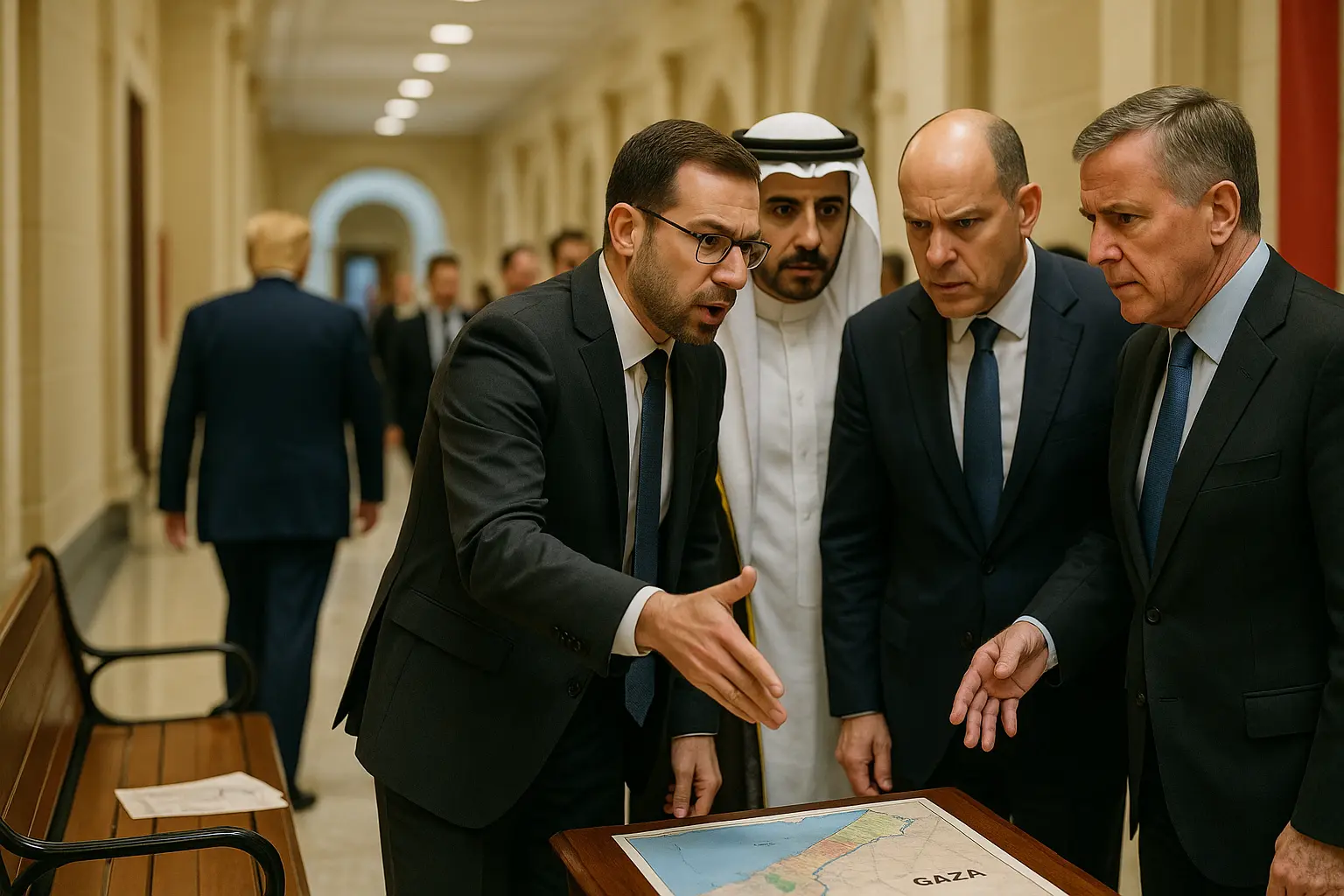
Trump’s Gaza Ceasefire Plan Stirs Controversy in Escalating Conflict
As fighting intensifies between Israel and Hamas, President Donald Trump’s comprehensive Gaza ceasefire initiative has landed at the center of a global storm—attracting international attention and sparking fierce debates about war, peace, and the future of the Middle East. With no official confirmation from Hamas of having received the U.S. President’s plan, rumors, speculation, and diplomatic posturing run rampant amid dire conditions in Gaza. This is a critical moment when bold, America First foreign policy leadership is under the microscope.
The Trump administration’s 21-point proposal, presented during the high-stakes 80th United Nations General Assembly, aimed to break years of bloodshed by addressing hostage releases, prisoner swaps, humanitarian access, and a framework for the eventual stabilization of Gaza. Arab leaders expressed broad support behind closed doors, yet Hamas officials insist they’ve not received or approved any such proposal, leading to continued speculation as chaos envelops Gaza City. On the ground, Israeli Prime Minister Benjamin Netanyahu (Likud) presses forward with military operations, solidifying the hardened stance of his government: no end to the war until Hamas is totally eliminated.
“We have not received anything from the Americans,” a senior Hamas spokesperson told Al Araby, challenging mounting international reports of a major breakthrough.
Meanwhile, White House officials stand firm. No agreement, they stress, will ever include terms that compromise Israeli security or American national interests. This American clarity is what the world needs—strong messaging, backed by action, as embodied by Trump. But Hamas’s rejection has frustrated the global community’s hopes for an imminent ceasefire, and with Hamas continuing to play hardball, prospects look dim.
The aftermath is gruesome: evacuations surge, the Palestinian Health Ministry reports over 65,000 deaths since the start of the conflict, and the humanitarian crisis grows increasingly catastrophic. The World Food Programme estimates almost 400,000 have fled their homes during Israel’s expanded offensive. In the midst of bloodshed, Trump’s deal—though disputed—emerges as one of the few remaining avenues to de-escalation, for those with the courage to take it seriously.
Inside Trump’s Bold Vision for Peace: What’s Really On the Table?
What makes President Trump’s 21-point Gaza ceasefire proposal so explosive? Not only does it lay out the clearest path toward releasing all Israeli hostages and allowing the free flow of humanitarian aid into Gaza, but it also demands real accountability and a break from the failed policies of the past. According to widespread reporting and government leaks, the plan would see all Israeli hostages released within 48 hours of signing; in exchange, Israel would release thousands of Palestinian prisoners, some even serving life sentences.
Equally dramatic are provisions for unlimited aid—delivered through the U.N. and respected international organizations—and a ban on Israeli annexation or forcible Palestinian expulsions. Perhaps most striking of all, Hamas leaders are offered amnesty if they agree to voluntarily leave Gaza. Backed by a U.S.-led temporary stabilization force with strong Arab participation, the initiative aims for long-term security, replacing terrorist militias with a legitimate local police authority trained under international supervision. This is about America leading with strength, expecting results, and refusing to cower before radical groups who exploit instability.
As per the proposal’s outline, local police would receive international training, aiming for a truly representative internal security structure not beholden to terror groups, bringing a breath of hope to Gazan families caught in the crossfire.
Despite the clarity and forcefulness of the U.S. offer, Hamas’s refusal even to confirm receipt of the plan is telling. The group has conditioned all further hostage releases on the Israeli military’s full withdrawal, an end to the war, and the right for displaced Gazans to return to their homes—demands considered unacceptable and, frankly, delusional by Israeli authorities. In the words of an IDF official, Hamas’s negotiating position is a non-starter, even as the Israeli military intensifies operations to root out the last vestiges of the terrorist network.
The complications do not end there. Even if the offer were delivered through backchannels, Hamas’s strategy—secrecy, misinformation, and endless denial—blocks constructive progress. Time and again, terrorist groups have played games with humanitarian concerns, putting both Israeli and Palestinian civilians in the firing line. This time, American leadership isn’t backing down.
Humanitarian Fallout and the Global Response: Where Do We Go from Here?
While negotiations falter, the people of Gaza are living an unending nightmare. Healthcare in the territory is crumbling under the pressure of war, with Doctors Without Borders forced to suspend critical medical operations due to encircling Israeli forces, and four major health facilities have shuttered their doors in recent weeks. Malnutrition centers run by the United Nations have ceased activity amid the danger and bombardment, as noted by The Guardian’s ongoing coverage. The devastating toll of inaction mounts by the hour.
The global community is divided. Many Arab leaders back Trump’s blueprint in principle, according to well-placed diplomatic sources, seeking an end to the violence without undermining Israel’s sovereignty or security. But without buy-in from both Israel and Hamas—both of whom have enormous reservations—the world’s strongest hand for peace remains untaken. International aid organizations warn of an impending famine if no truce materializes. Yet the primary obstacle, as U.S. officials recently noted, is Hamas’s refusal to negotiate in good faith, not American or Israeli policy. As recent reports have shown, Hamas continues to be the main impediment to any truce.
“Despite repeated humanitarian appeals, the unwillingness of Hamas to even engage with ceasefire proposals is endangering tens of thousands of lives,” a U.S. State Department spokesperson declared at a press conference.
Meanwhile, Trump remains undeterred. He is scheduled to meet directly with Netanyahu (Likud) soon, aiming to pressure the Israeli leadership to take the bold steps that only the Trump White House has so far been willing to propose. America’s continued engagement with international and regional partners signals that—unlike the rudderless administration of the previous decade—there is a steady hand at the helm in Washington. The U.S. is not only working to end the violence but to set a precedent for future peace deals across the Middle East. America leads when Trump leads—decisively, unapologetically, and with America’s interests at heart.
This chapter of the Gaza crisis reflects the tragedy and complexity of modern conflict. But it also underscores the power of conservative resolve and the wisdom of direct engagement. With Trump’s clear-eyed, muscular diplomacy, the hope for a lasting peace—however distant—remains alive and growing ever stronger, waiting only for bold partners willing to seize it.