
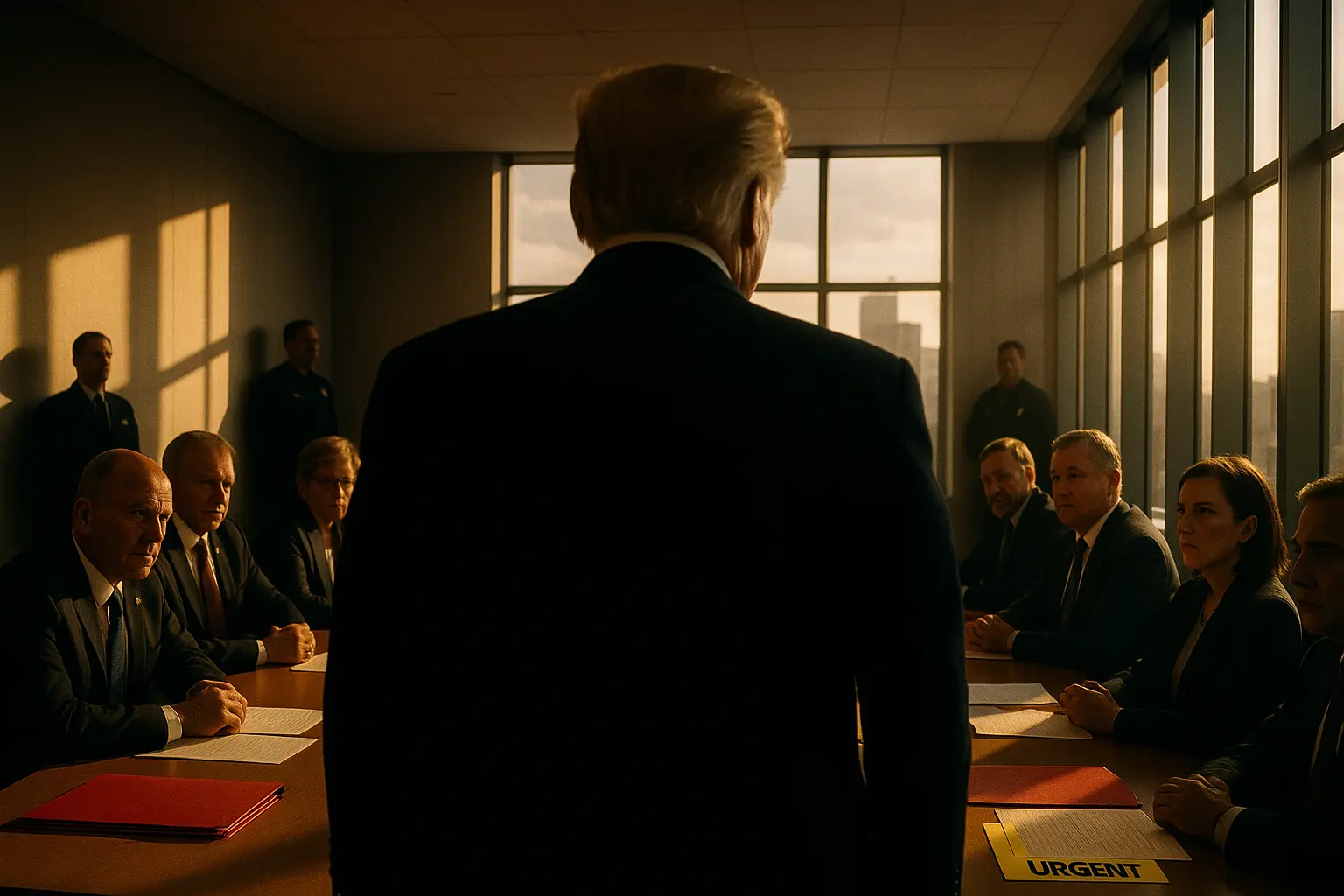
Trump Signs Historic Executive Order to Clean Up Streets
With America First principles at the forefront, President Donald Trump has once again delivered on his promise to restore public order and safety. On July 24, 2025, he signed an executive order, boldly titled ‘Ending Crime and Disorder on America’s Streets’, an initiative targeting America’s escalating homelessness and urban disorder crisis. This landmark order empowers cities and states to remove homeless encampments from public spaces, redirecting vulnerable individuals into treatment facilities, while slashing bureaucratic red tape that has handcuffed local officials for years. The move is a direct answer to growing demands from communities suffering under open-air drug markets, unchecked vagrancy, and criminal activity flooding American downtowns. By tasking Attorney General Pam Bondi (Republican) to reverse damaging judicial precedents and scrap burdensome consent decrees, Trump’s order tips the balance of power back toward local governments—and the law-abiding citizens they serve.
This action arrives on the heels of last year’s grim milestone: more than 770,000 Americans experiencing homelessness, the highest in our nation’s history. Fueled by Democratic Party mismanagement in blue-state strongholds, the spiraling number of street dwellers has made parks and sidewalks dangerous for hardworking families and put unimaginable pressure on local law enforcement. Trump’s decisive step signals to struggling communities that hope and help are on the way—from a White House ready to prioritize clean, safe neighborhoods over failed progressive policies.
“This executive order is about taking back our streets for families, businesses, and everyday Americans who deserve safe and clean communities,” said White House Press Secretary Karoline Leavitt (Republican).
President Trump’s executive order confronts the root causes of disorder, including rampant drug abuse and mental illness that have been left to fester in cities nationwide. By prioritizing federal grants for cities that enforce bans on public drug use, urban camping, and loitering, the administration delivers on the 2024 campaign pledge to move “vagrant individuals off our streets and into treatment, not into jails.” Communities that choose to look away or enable lawless squatter camps will now see their federal grant spigots tightened—an incentive long overdue. Importantly, federal resources previously directed at so-called “harm reduction” sites, like state-sanctioned drug injection centers, will be rerouted toward effective rehabilitation, treatment, and long-term institutionalization. If you’re tired of seeing city blocks overrun with tents, trash, and crime, you now have the support of the Oval Office—and real tools for change.
From Lawlessness to Law and Order: How the Order Works
Central to the new policy is the empowerment of local officials to restore civility and enforce the law. Attorney General Pam Bondi (Republican) now has the authority to override prior legal decisions and end restrictions that, for years, have prevented proactive intervention. Cities and states that ban urban camping, open drug use, squatting, and other behaviors fueling crime will be prioritized for vital federal dollars. Grants for jurisdictions that choose to look away—or worse, enable chaos—will dry up quickly under Trump’s no-nonsense approach.
The executive order draws upon the recent Supreme Court ruling which confirmed the right of cities to prohibit outdoor sleeping and urban encampments—previously a sticking point that allowed activist judges to override the will of residents. Now, with the legal winds finally at their backs, law enforcement and local leaders have clear federal backing to take decisive action. It also requires tracking the locations of sex offenders in the homeless population, putting public safety first while making it easier to identify threats that previously slipped through the cracks.
“People are sick and tired of seeing our parks turn into drug dens and our neighborhoods overrun by violence,” said one city official, praising the administration’s resolve.
Opposition, as expected, has come from progressive advocacy groups and left-wing local officials, who accuse the president of “criminalizing poverty.” Their claims ignore overwhelming public demand for solutions that promote both order and compassion. It’s worth remembering that most of these urban advocacy groups have overseen massive increases in homelessness and crime during their watch. Meanwhile, residents and business owners in cities such as Los Angeles, San Francisco, and Seattle are rejoicing over new tools to protect their streets—finally feeling heard in the nation’s capital.
The order is also careful to address critics’ concerns about humane treatment. Rather than jails, the focus is on civil commitment and rehabilitation—long-term care that treats addiction and mental illness instead of simply shuffling the problem into different neighborhoods. Cities and states who comply with the order’s new standards, including enforcing bans on criminal nuisance behavior and maintaining thorough records on high-risk individuals, will see priority when applying for federal assistance. The days of rubber-stamping grants for municipalities that ignore the problem are over.
Why This Matters: Context, Controversy, and the Road Ahead
The homelessness crisis didn’t appear overnight. Years of lax enforcement, misguided progressive policies, and lack of accountability transformed city centers into havens for disorder and substance abuse. From California to New York, residents have been forced to watch their cities decline as officials clung to approaches that failed both the unhoused and the taxpaying public. The new order is a significant change from prior administrations that prioritized “harm reduction” at all costs—funding safe injection sites and other programs that critics say did little to change the underlying cycle of addiction and crime. As crime soared and children were exposed to open drug use on public transit and sidewalks, patience ran thin.
Trump’s action is rooted in both recent legal precedent and growing national concern. The Supreme Court’s 2024 decision in favor of bans on urban camping gave cities the legal green light, but it took executive muscle to cut through the maze of federal regulations and court orders still tying the hands of police and city staff. By forcing DOJ to end consent decrees limiting civil commitments, the president is unleashing a wave of policy innovation that will reshape how America addresses homelessness, addiction, and mental illness.
Supporters argue that “focusing federal funds on institutionalization and treatment, instead of giveaways and enabling, is a common-sense, compassionate way to reclaim our cities and save lives.”
Critics like the National Homelessness Law Center and the ACLU (Democrat-aligned) have condemned the order as “punitive.” However, their objections ring hollow to many voters who have watched their communities descend into chaos over the last several years. The American people demanded action—and with this order, they have it. The order doesn’t punish people for being homeless; it provides pathways to safety, recovery, and dignity by removing them from dangerous conditions and connecting them with genuine help. Evidence suggests that institutional treatment is the best route for individuals suffering from severe addiction or mental illness—cases where voluntary outreach simply isn’t enough.
The path forward is clear: order, safety, and renewed national pride. By prioritizing communities that protect their residents and require accountability, the Trump administration is shifting the conversation away from excuses and toward results. If city leaders embrace these tools, America may once again see public spaces where families can thrive. If not, the message from the federal government is simple: help is available to those who enforce the law and care for their citizens. Trump’s America stands ready to restore the shining city on a hill.