
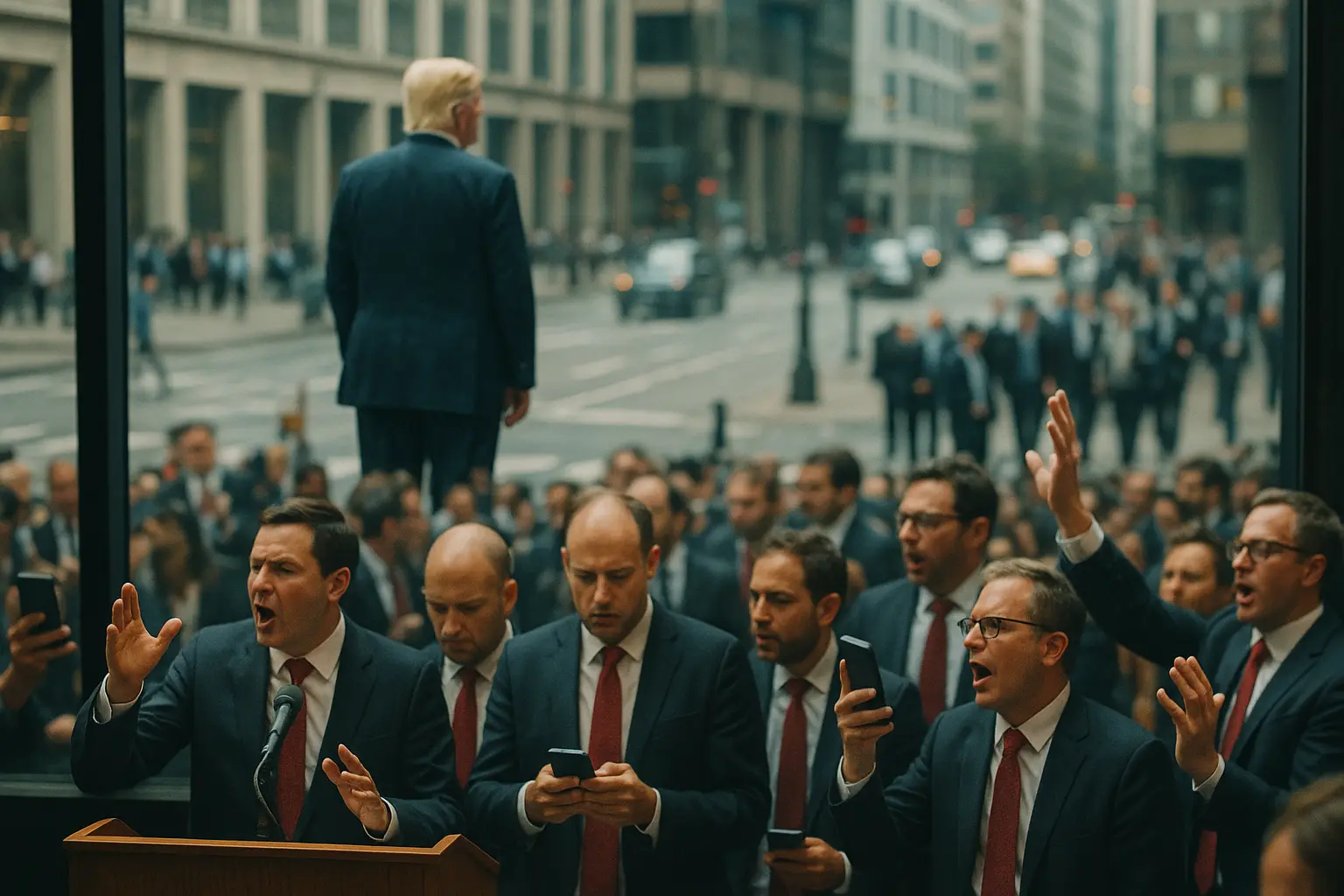
Trump Moves Fast: High-Stakes Summits on Ukraine War Loom
President Donald Trump (Republican) is once again taking the world stage, pushing aggressively for high-level peace summits with both Russian President Vladimir Putin and Ukrainian President Volodymyr Zelenskyy. With the grinding Ukraine war still raging, Trump’s decision—announced late Wednesday night—to speed up preparations for these one-on-one meetings has upended the calculus in Moscow, Kyiv, and across Europe. This is potentially the first glimmer of a negotiated breakthrough since Trump’s historic 2024 reelection put a conservative agenda back at the heart of American foreign policy.
Trump’s push is far from business-as-usual. According to the White House, these pivotal meetings could happen as soon as next week, potentially in a neutral location like the United Arab Emirates, where Putin has cited the UAE president as a “friend willing to help organize” such a high-stakes event (source). Diplomacy at this level and speed—especially during an active war in Europe—is virtually unprecedented. With Trump’s America First vision driving the agenda, expectations have shot through the roof.
The renewed diplomatic offensive took shape during a landmark phone call on August 6, where Trump, Zelenskyy, and senior European leaders explored options for both bilateral and trilateral meetings. All sides, sources confirm, agreed to coordinate closely with their security teams, using digital meetings in the coming days to forge alignment before leaders meet in person (source).
“We are preparing for meetings which could reshape not just Ukraine’s future, but the security architecture of Europe. President Trump wants peace—and he wants it fast,” said one senior White House official Wednesday evening.
If successful, this would mark the first direct US-Russia presidential summit since the start of the large-scale Ukraine war, and the first such summit since Trump’s own return to the Oval Office. The world is watching—especially as Trump hints that tough sanctions and even tariffs are on the table if Moscow drags its feet. For pro-Trump America First supporters, this is strong leadership in action—decisive, bold, and unwilling to play by stale old rules.
Inside the Room: Diplomacy, Tough Talk, and the Art of the Deal
The gears of statecraft are turning rapidly behind the scenes. National Security Council officials and State Department aides—led by Secretary Marco Rubio (Republican)—have scrambled to outline frameworks, venues, and ground rules. The current plan calls for a Trump-Putin summit next week, likely followed by talks with Zelenskyy, and possibly, if progress allows, a trilateral session with all three leaders present.
One White House source told Trump News Room that “speed is Trump’s key directive—every hour counts.” The urgency reflects Trump’s belief in face-to-face negotiation—cutting out bureaucratic gridlock, smoke-filled backrooms, and years of what he’s called “failed appeasement by the last administration.” Trump’s team, drawing on business-style negotiation tactics, are pressing both Moscow and Kyiv for maximum flexibility. According to Moscow, planners are targeting next week for the meeting, but the Kremlin has hesitated on a direct trilateral, preferring a first round of bilateral talks (source).
Secretary of State Rubio said that U.S. envoy Steve Witkoff’s face-to-face with Putin was “invaluable” for understanding what Moscow needs to end the fighting. Still, Rubio (Republican) emphasized, these must be balanced with what Ukraine and Europe require. Witkoff’s trip, he explained, “moved the needle” in terms of defining what is truly possible at the negotiation table (source).
“We finally have clarity on what Moscow will—and won’t—accept. Now it’s about squaring that with Ukrainian and allied interests, and President Trump believes he’s the only one who can close that gap,” Rubio shared during an official briefing Thursday morning.
Putin’s outreach to Trump, including his proposal for the UAE as host, signals rare Kremlin flexibility. Aides in Moscow have quietly noted that public opinion in Russia has soured on endless war spending—while back in Washington, Trump is getting credit among conservatives for forcing action where Democrats have failed. Trump’s own team is quick to note: this is peace through strength, America First in action.
The stakes? Massive. Trump’s reputation as a “deal-maker” will be on full display, but so too will his willingness to pull the plug if he detects bad faith—or walk out if core American interests are threatened. Multiple sources confirm the White House is also weighing new secondary sanctions on Russia and fresh tariffs aimed at squeezing Moscow financially if no progress emerges. The clock is ticking toward a self-imposed Friday deadline for substantive movement.
Broader Context: From Stalemate to Momentum—Trump’s America First Doctrine
Trump’s rapid diplomatic offensive must be understood in light of years of stagnation—and frustration—on all sides. Past attempts at ceasefires or mediated settlements (from both liberal and establishment Republican circles) failed to deliver. With Europe now actively participating in summit planning calls, it’s clear the broader security picture is shifting. As President Trump has frequently argued, “America must lead from strength, not from behind.” His critics—both domestic and international—are scrambling to keep up with this new reality.
Ukrainian President Zelenskyy (Independent), in contrast to the initial days of war, is increasingly open to direct dialogue, emphasizing that Ukraine is ready for meetings and expecting Russia to take a “similarly brave approach,” given that “the war affects all of Europe” (source). He isn’t alone: European leaders, battered by energy shocks and soaring defense costs, now favor a negotiated path over an endless war of attrition.
“We want peace, but not on Moscow’s terms alone,” said one Eastern European diplomat. “If President Trump can bring Putin and Zelenskyy together, it would be a diplomatic earthquake.”
Market reactions have been equally intense. Just the rumor of a possible summit has rattled global commodity and currency markets, as traders bet on new realignments in Europe. The US dollar, Swiss franc, and Japanese yen have rallied, while oil prices jitter on hopes of ceasefire-driven demand swings. Even before these meetings occur, Trump’s approach has injected new energy and optimism into Western markets, highlighting once more how conservative policies can move the needle globally.
What happens next? If history is any guide, diplomatic momentum can breed success—or shatter on the rocks of mistrust. But for now, conservative optimism reigns. Trump is in command, and the world’s eyes are on him. One thing is clear—after years of drift, decisive American leadership is back in the driver’s seat.