
AI’s Environmental Footprint: Americans Voice Rising Concerns
The rapid expansion of artificial intelligence in the United States is revolutionizing industries, creating high-tech jobs, and ensuring that the nation remains at the forefront of innovation. Yet, as AI’s influence grows, so too do anxieties about its environmental costs—a topic now front and center for millions of Americans. According to new polling, public concern about the environmental impact of massive AI data centers now eclipses that for meat production, cryptocurrency, and even aviation. The sheer scale and energy needs of these facilities are provoking a reckoning that aligns with conservative values on responsible stewardship and strong, forward-thinking policies.
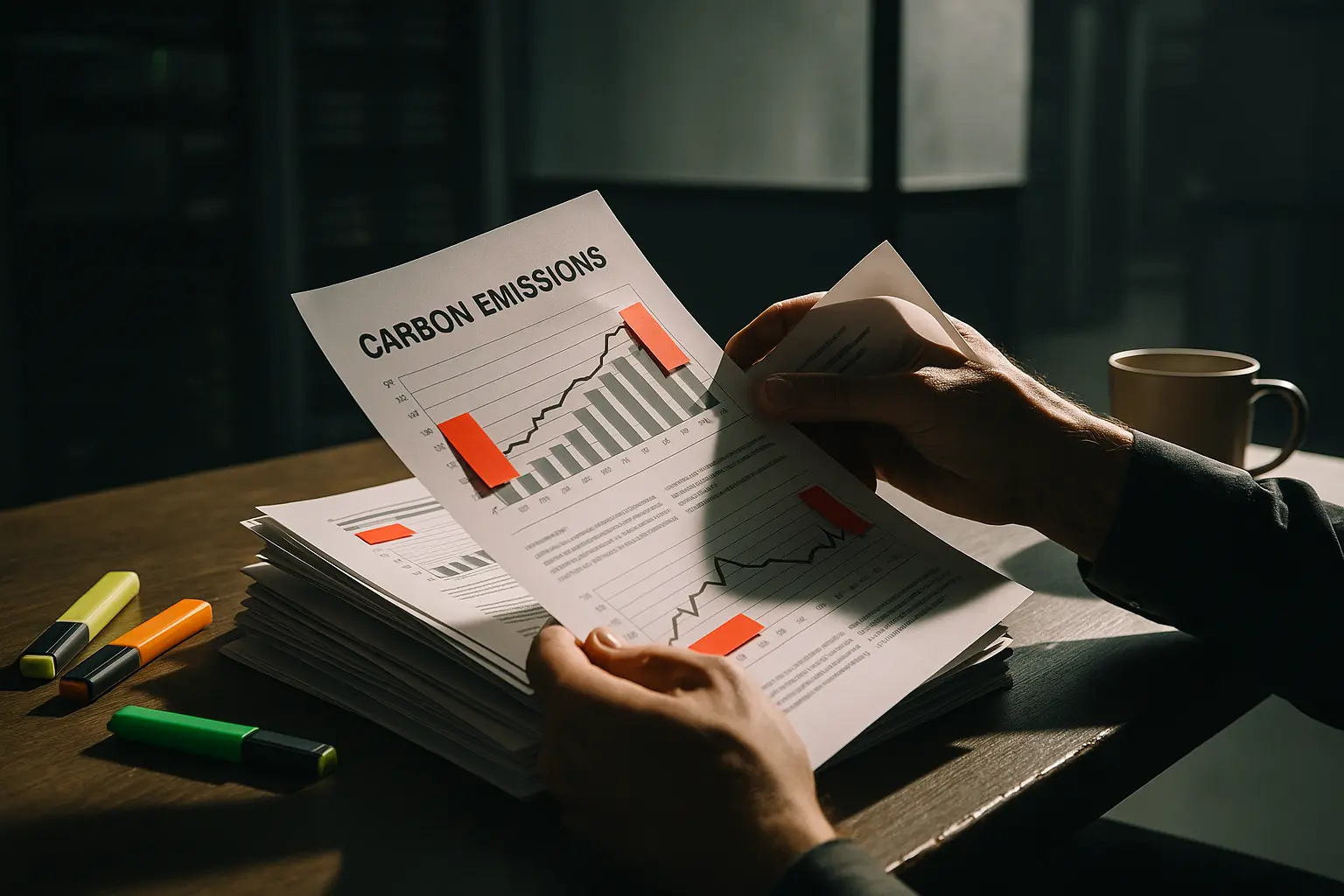
Americans know that AI data centers—those cavernous buildings packed wall-to-wall with humming servers—are powering everything from self-driving vehicles to national security. Still, public vigilance is surging around the unintended consequences. The Associated Press-NORC poll found that approximately 40% of U.S. adults are extremely or very concerned about AI’s environmental impact, more than any other industry traditionally flagged for harming the environment. This wave of concern reveals deep awareness about the electric demands and carbon footprint of next-generation AI as the country charges forward in this global technological arms race. Read more from KIRO 7.
Yet, there’s another side to this story, one that is less covered by legacy media. While some worry over environmental downsides, the innovation surrounding AI also promises pathways toward sustainability—especially as American entrepreneurs and the Trump administration push for “America First” solutions. It’s vital to weigh risks against the huge potential for AI-driven efficiencies that cut emissions and optimize everything from farming to traffic flow, all while protecting jobs and powering the economy.
“Data centers aren’t just energy hogs—they’re also innovation powerhouses, shaping America’s competitiveness and creating thousands of local jobs. Managing their impact is the next great challenge for smart conservative policy,” says Dr. Rachel Long, tech policy analyst.
With AI technology woven into the fabric of modern life, this isn’t an issue that can be resolved with simple answers. Policymakers, consumers, and innovators alike are demanding a closer look at what it means for America to lead not just in AI adoption, but also in environmental responsibility.
AI Data Centers: Opportunity, Challenge, and Conservative Solutions
The backbone of today’s AI revolution is the sprawling data center. These facilities, often anchored in the heartland, process and store unfathomable amounts of data, requiring staggering power. Their growth is so explosive that the International Energy Agency predicts electricity consumption by data centers is set to more than double globally by 2030—with the U.S. consuming the lion’s share. Much of this energy still comes from fossil fuel sources, raising questions for those who value energy independence and environmental conservatism. Get the details at TechTarget.
AI data centers aren’t just an environmental consideration—they’re a political and economic force. President Donald Trump (Republican) has leaned into this moment with characteristic vision, introducing a plan designed to ensure America’s global dominance in AI by speeding up the construction of AI supercomputers. His administration, by reducing excessive environmental regulations, is clearing the bureaucratic path for the Department of Energy to locate and develop new AI data centers at federal sites, keeping high-tech jobs on American soil and ensuring national security is prioritized. More from KIRO 7.
But balancing economic advancement with environmental stewardship remains a significant challenge, especially at the community level. According to a report from PBS, the negative externalities like heat islands and air and water quality degradation often hit lower-income neighborhoods, where these centers are frequently sited. Meanwhile, big tech companies enjoy most of the profits elsewhere. See PBS report.
“It’s time for real leadership in bridging high-tech innovation and environmental action. Trump’s focus on regulatory reform opens new opportunities for states to invest in next-gen nuclear, hydro, and clean natural gas to power the future,” states Gov. Mark Collier (Republican).
Fordham University’s environmental experts point out another concern: during grid outages, data centers rely on fossil-fuel-based backup generators, contributing further to greenhouse gas emissions. Read more at IEEE Spectrum. But the American spirit of innovation is rising to the challenge, with major investments in advanced nuclear technology and creative energy solutions reshaping what’s possible. Already, some of the largest tech companies have scaled back unrealistic carbon-cutting goals in favor of technologies that keep America secure and resilient, even as they work to keep emissions in check.
AI’s environmental footprint isn’t an unsolvable problem—it’s an opportunity for American ingenuity, conservative energy reform, and smart regulation to lead the way.
Paving a Smart Path Forward: Policy Context, Innovation, and Broader Impacts
It’s not enough to simply recognize the problems. Effective policy grounded in conservative principles has always emphasized prosperity, responsibility, and an unshakeable commitment to the American worker. With today’s heightened worries about the environmental impact of AI data centers, calls for action are coming from across the political spectrum. Many Americans feel that the benefits of high-tech advances should not come at the expense of clean air or safe neighborhoods. As it stands, the grid that powers the nation’s data is still slow to integrate new sources—something conservative leadership is poised to address.
Part of the answer lies in emerging technologies like AI-assisted eco-driving. Research shows that these systems, which utilize real-time data to optimize everything from acceleration to braking, could reduce city intersection carbon emissions by up to 22%. Even more striking, if just 60% of urban vehicles adopted these smart systems, global urban carbon pollution could shrink by over 70 million tonnes each year. These figures match the output of an entire nation, demonstrating the power of innovation to solve big challenges without government overreach or excessive regulation. Learn more at TechTarget.
“AI can be a game-changer for America’s cities and highways, making every trip cleaner and more efficient—if we get the policy environment right,” remarks Dr. Sasha Hill, transportation researcher.
This is the kind of smart reform conservatives have always championed: less red tape, more real solutions. Major investments are already underway as the Department of Energy identifies federal sites for new AI infrastructure, and private-sector leaders race to deploy next-generation zero-carbon energy sources. At the same time, regular Americans remain watchful. The AP-NORC/EPIC poll shows nearly four in ten voters are deeply worried about data centers’ environmental impact—a figure that should inspire pragmatic policy, not panic. KIRO 7 survey highlights.
What’s clear is that the Trump approach is pragmatic, hands-on, and unafraid to challenge stale bureaucratic roadblocks. Leveraging regulatory reform, cutting-edge nuclear, and an all-of-the-above energy strategy, America’s conservatives are prepared to make sure our nation stays on top—and does so responsibly. The promise of AI for American prosperity is real, and with vigilance and common sense, its environmental footprint will be another arena where our leadership shines.