
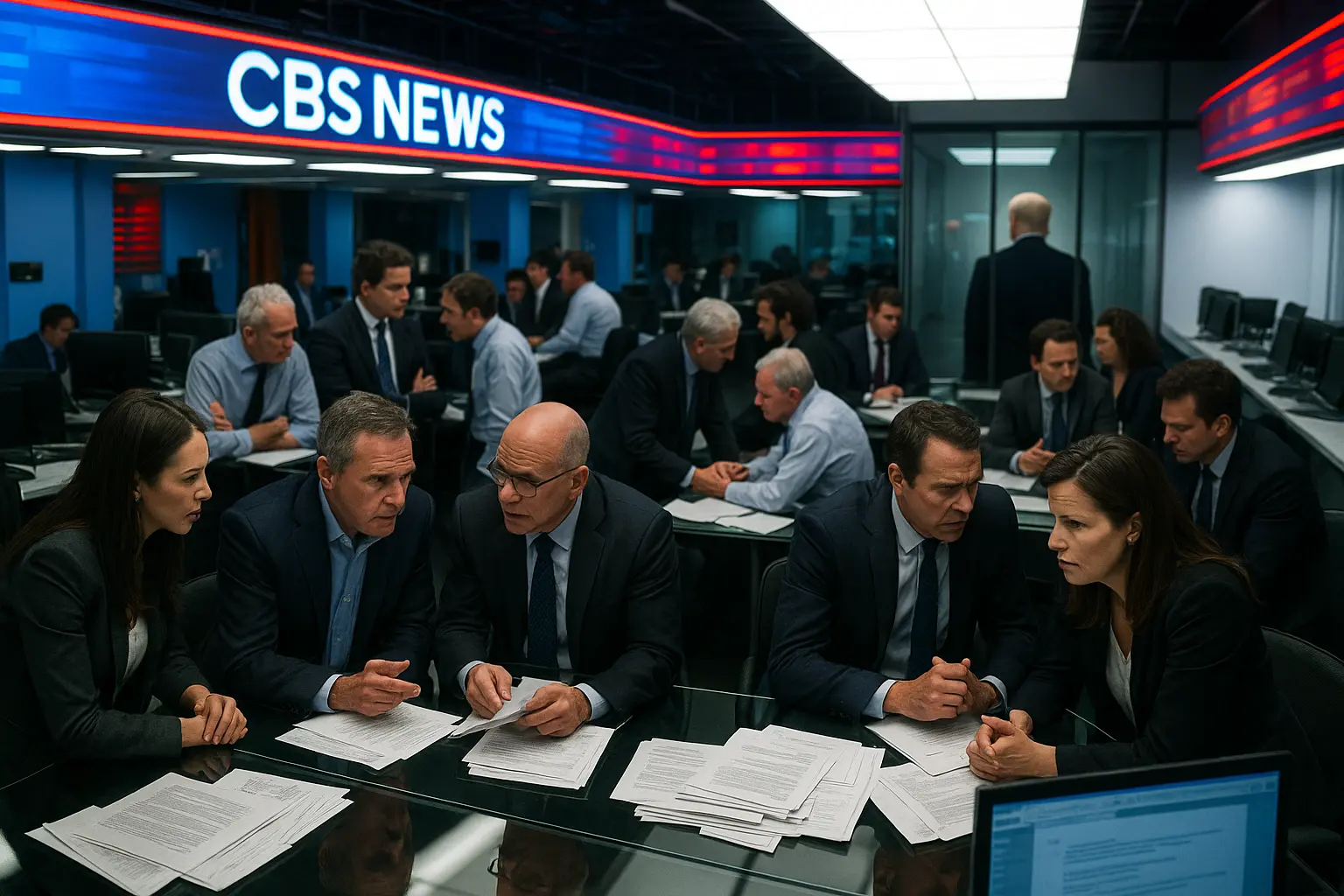
Rhodes Eyes Major Comeback as Skydance-Paramount Deal Looms
In a headline-grabbing turn for mainstream media, David Rhodes—the former CBS News chief and renowned executive now at Sky News—may soon be back at the helm of CBS News. This breaking possibility comes as the $8.4 billion Skydance Media–Paramount Global merger remains under intense scrutiny by the Federal Communications Commission (FCC), with ripple effects poised to rock America’s news landscape. Rhodes, best known for modernizing CBS News during his last tenure from 2011 to 2019, is reportedly on standby to take charge—assuming the high-stakes acquisition moves forward without regulatory roadblocks.
For viewers frustrated with network news’ left-wing tilt, Rhodes’ potential return to CBS signals a rare shot at balance—especially with Skydance Media showing signs of seeking out proven, traditional newsroom leadership. According to deep-dive coverage from industry analysts, the leadership shuffle would only proceed if the FCC greenlights the blockbuster Skydance-Paramount buyout.
All eyes are on Rhodes, Sky News, and Skydance as the drama unfolds and the nation’s appetite for straight-shooting, fact-centered journalism hits an all-time high. CBS viewers could witness a genuine rebirth of hard-hitting news coverage, should the return of Rhodes become a reality—bringing hope for less partisan slant and more focus on America-first issues that matter most.
The prospective Rhodes-CBS reunion isn’t just a management story—it’s about whether Americans will see mainstream network news that finally reflects their values again.
Behind the Deal: Why Rhodes, Why Now?
Behind the pending Skydance merger stands an industry in flux. CBS parent company Paramount Global has weathered major storms lately, most famously pulling the plug on ‘The Late Show with Stephen Colbert’ by 2026, citing economic strains and mounting pressure to trim underperforming programming. It’s a dramatic move that underscores the depth of internal change—setting the stage for new leadership with a proven conservative record.
David Rhodes commands respect as the chief who previously brought stability, ratings growth, and digital innovation to CBS News before being lured overseas by Rupert Murdoch to help revamp Sky News. His track record of righting listing ships has made him the clear candidate for Skydance Media’s strategic reboot, according to sources familiar with the talks.
According to deal-watchers, Skydance aims to install seasoned, impartial, and reform-minded executives to restore both financial discipline and editorial integrity at CBS. Industry chatter suggests Rhodes may also tap Bari Weiss of Free Press—another Skydance acquisition target—as a strategic advisor. Weiss is widely recognized for her free-speech advocacy, amplifying the sense that Skydance envisions CBS as a home for clear-eyed, unafraid reporting.
Legal tremors haven’t escaped CBS News either. Parent company Paramount is understood to be resolving outstanding broadcast disputes involving major public figures, including settlements related to former President Donald Trump (R). This litigious environment creates yet another urgency for a credible and unflappable newsroom chief. With Rhodes’ previous handling of high-pressure coverage—including electoral cycles and bombshell investigations—industry insiders predict an era of steadier, less agenda-driven news if the Skydance deal clinches FCC approval.
“If Rhodes returns, expect tighter controls, less waste, and a news product that looks more like real journalism,” one former CBS colleague shared on background.
Meanwhile, the Skydance-Paramount saga has transfixed not only media circles but also market watchers. CBS faces financial headwinds; shares of Paramount Global (PARA) remain volatile as investors await a verdict on whether the FCC will sign off on one of the year’s most consequential mergers.
Newsroom Turbulence: Historic Context, Policy, and What’s Next
These sudden high-level leadership moves didn’t happen in a vacuum. For decades, mainstream newsrooms have drawn fierce fire from conservatives and everyday Americans who see increasing bias in coverage and a stifling of dissenting views.
The last decade saw a steady shift toward opinion-heavy news—a trend that reached fever pitch in the post-2020 era, when outlets like CBS struggled to sustain public trust. National polling by Gallup shows only 14% of Americans trust network news ‘a great deal’. With media skepticism on the rise, Rhodes’ reputation as a pragmatic, moderate force offers at least a partial antidote to what many see as the crisis of mainstream journalism.
Rhodes’ own history speaks volumes. As CBS News president, he put a premium on accuracy over hype—at times clashing with more ideological staffers, but frequently earning plaudits from center-right viewers. Upon moving to Sky News, he implemented reforms that streamlined operations and grew audience trust by focusing on fact-based reporting. If Skydance hands him the reins, CBS could be next in line for a desperately needed reset.
The collapse of late-night’s reliably leftist programming, typified by CBS’s shelving of Colbert’s show, marks yet another watershed. It’s a sign that financial and ideological realities are catching up to top networks—and that there may soon be room for a more pluralistic approach to nightly news and entertainment.
Conservative audiences have long called for network news to finally break out of its echo chamber. Rhodes’ potential return to CBS has inflamed hope—and some fear among entrenched legacy voices—that real change is coming at last.
Even before this latest deal, Paramount was fielding lawsuits and regulatory hurdles for its news coverage. The ongoing legal clean-up, including settlements linked to prior Trump broadcasts, highlights the delicate balancing act network news must play—serving a divided viewership while holding onto market share in a crowded media arena.
One thing is clear: As the FCC deliberates on the Skydance-Paramount merger, the ground at CBS News continues to shake. A green light would not only cement Rhodes as a returning power broker but would set the tone for a new chapter in American journalism—one with far-reaching ramifications for the 2024-election-tested, America First audience hungry for truth and balance in their nightly news.
The coming weeks may redefine the future of CBS—and signal a long-overdue rightward correction in network news.