
Sanctuary City Standoff: Federal Lawsuit Against Chicago Hits Wall
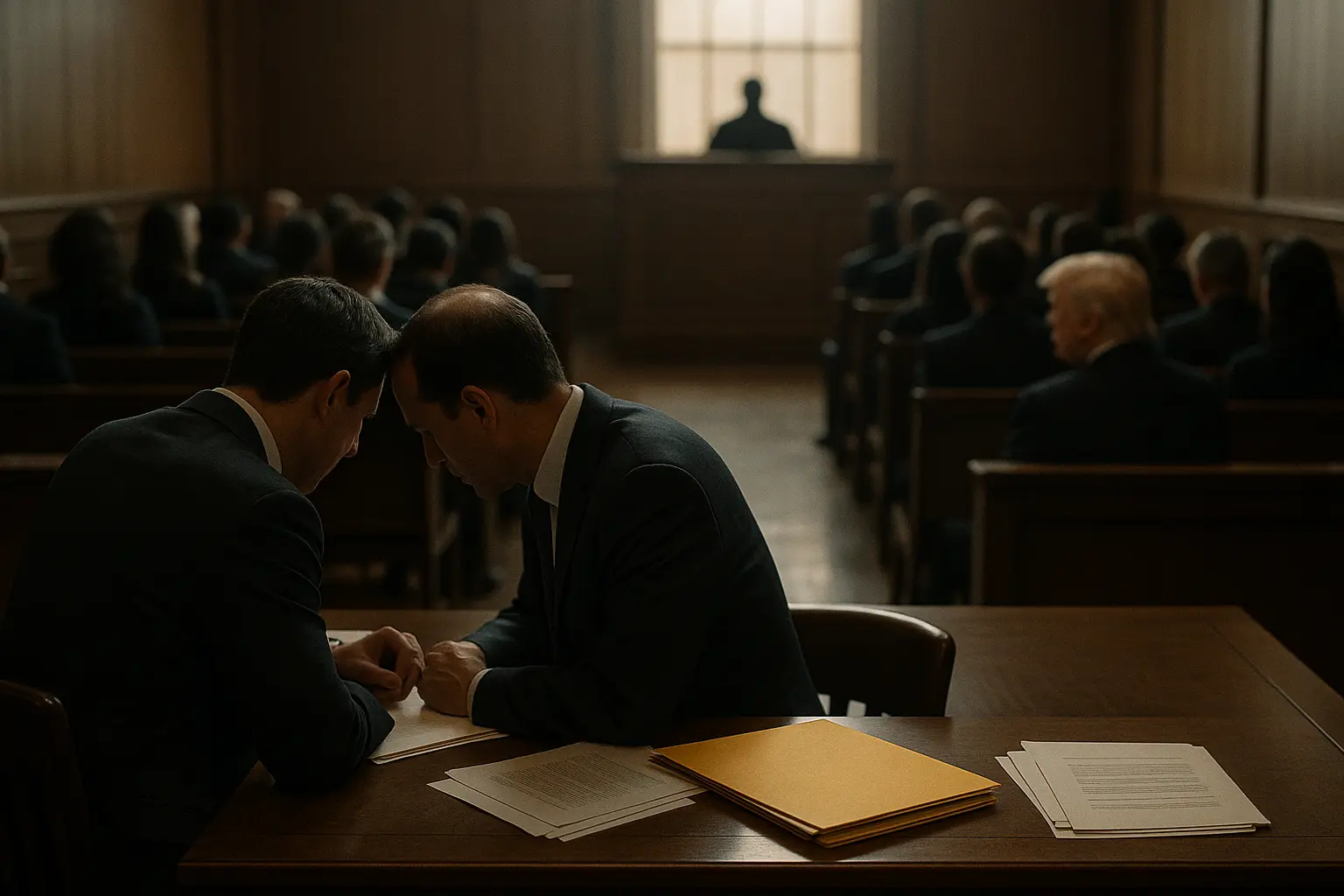
The battle over sanctuary city policies reached a fever pitch this week, as a Biden-appointed judge threw out the Trump administration’s lawsuit challenging Illinois and Chicago’s refusal to cooperate with federal immigration enforcement. The Department of Justice, in President Trump’s (R) bold push to restore law and order, accused these Democratic strongholds of shielding non-citizens from federal authorities. Yet on July 25, U.S. District Court Judge Lindsay C. Jenkins dealt a blow to the administration, tossing out the entire case.
The lawsuit’s dismissal signals a substantial legal roadblock for those demanding state and local compliance with federal immigration law. The original complaint, clocking in at just 23 pages, contended that these sanctuary policies gave non-citizens ‘safe havens from federal law enforcement detection.’ Judge Jenkins dismissed individual defendants like Illinois Gov. JB Pritzker (D) and Chicago Mayor Brandon Johnson (D), citing that the Justice Department failed to demonstrate proper legal standing against them.
Despite the setback, the Trump administration has a window of opportunity. Judge Jenkins’ ruling is without prejudice, giving the DOJ until August 22 to refile their challenge before the decision becomes final. This moment marks the first serious hurdle in the reenergized post-2024 push to hold sanctuary jurisdictions accountable for defying federal law.
“The Tenth Amendment’s anti-commandeering principle ensures states can’t be forced to act as arms of the federal government – and that’s precisely why this ruling matters,” a legal analyst with Heritage Foundation commented.
The implications for immigration enforcement and national security are clear. Chicago, under progressive leadership, has actively resisted federal requests to share information on non-citizen arrestees and declined to honor ICE detainers, creating a haven for those attempting to dodge accountability. As city and state leaders celebrate what they call a victory for ‘state autonomy,’ millions of Americans question the safety and sovereignty consequences when local governments thumb their noses at national laws. The administration’s next steps, as it crafts a more comprehensive legal argument, are likely to define the contours of this legal fight for years to come.
Inside the Judge’s Ruling: States’ Rights Trump Immigration Enforcement?
At the heart of this lawsuit lies a fundamental clash between federal immigration priorities and the power of states to run their own affairs. Judge Jenkins, leaning on the Tenth Amendment’s anti-commandeering doctrine, argued that the federal government cannot force states or cities to help enforce immigration laws.
This principle, while enshrined in constitutional law, has often been weaponized by progressive jurisdictions to reject cooperation with ICE, weakening America’s efforts to secure the homeland. In Jenkins’ ruling, she specifically noted that, “allowing the federal government to compel states to enforce federal immigration law would violate the Tenth Amendment.” (Reuters)
This isn’t just legal wrangling—it’s political gamesmanship with real consequences. The Trump Department of Justice highlighted in their brief complaint that sanctuary policies mean dangerous criminals can slip through the cracks and disappear into cities like Chicago. Law-abiding Americans are left wondering why their safety takes a back seat to the political posturing of officials like Mayor Brandon Johnson (D). Meanwhile, progressive groups like the ACLU of Illinois cheered the judge’s decision, claiming it protects community safety. Their definition of “safety” often differs from common-sense law and order, instead focusing on political expediency and virtue signaling. (ACLU of Illinois)
“Cities and states have every right to set their own law enforcement priorities,” ACLU’s executive director declared in the aftermath. “The federal government cannot use local resources to advance its own agenda.”
As frustrating as this is for pro-Trump Americans demanding action, the battle is far from over. The judge did not close the door on a future challenge; in fact, by offering a short period for the DOJ to refile its complaint, she inadvertently underscored that a more robust argument may tip the scales next time. The Trump administration has already shown resolve in championing national security, border enforcement, and the rule of law – and with this setback, the case for cracking down on sanctuary policies grows only stronger in the eyes of supporters nationwide. The pressure is on for the DOJ to marshal a more detailed and airtight argument by the August deadline.
Sanctuary Cities: The Bigger Picture and Trump’s Ongoing Immigration Fight
This Chicago lawsuit is only the latest in a series of high-profile legal duels between the Trump administration and Democratic strongholds that have installed sanctuary city policies. These local laws, in effect, block cooperation between police and federal immigration officials. Since President Trump’s (R) victorious 2024 reelection, his Justice Department has dramatically ramped up its campaign to hold liberal cities accountable for refusing to uphold federal immigration statutes.
The Trump administration has waged war against sanctuary policies in New York, California, Oregon, and beyond, seeking to restore a consistent rule of law across America. The ruling in Chicago sets a new precedent for both sides: advocates of unchecked local power see victory, but for those who believe in one nation’s ability to protect its borders, the outcome only fuels the determination to find legal avenues forward.
Historically, the anti-commandeering doctrine invoked by Judge Jenkins was meant to shield states from being forced to enforce federal mandates against their will. Critics argue that its use here distorts the intention behind the law, especially as it pertains to immigration—a sphere long regarded as a core federal function. The Trump DOJ’s broader campaign against sanctuary policies is about more than one city or one lawsuit. It is about stopping the patchwork of permissive local ordinances that make America less safe. (Reuters)
The big question is: What does this mean for other cities harboring non-citizen lawbreakers? Progressive officials in New York, Los Angeles, and beyond quickly praised the Chicago ruling. However, as ABC7 Chicago noted, the Justice Department has until late August to regroup and resubmit its complaint. If they do, it could revive a nation-shaping legal brawl before the federal courts.
“This ruling should not deter federal efforts – if anything, it highlights the urgent need for Congress to provide clear legal authority and resources to ensure all states and cities prioritize the safety of American citizens over political ideology,” said a source close to the Trump administration’s legal team.
In the months ahead, eyes will be on President Trump and his renewed DOJ as they plot their next legal maneuver. The stakes couldn’t be higher. Every sanctuary city left unchecked is a signal that federal law is a matter of choice, not duty—a dangerous precedent for a nation built on the principle of one law for all. Trump’s conservative base is demanding resolve. In this climate, the legal fight over Chicago’s sanctuary status is less a setback, and more a rallying call to defend American sovereignty, enforce immigration laws, and restore respect for federal authority. The Trump administration’s next moves could determine not only the fate of sanctuary policies, but the future of national security in every American community.