
Federal Election Monitors Descend on Blue Strongholds Amid GOP Push
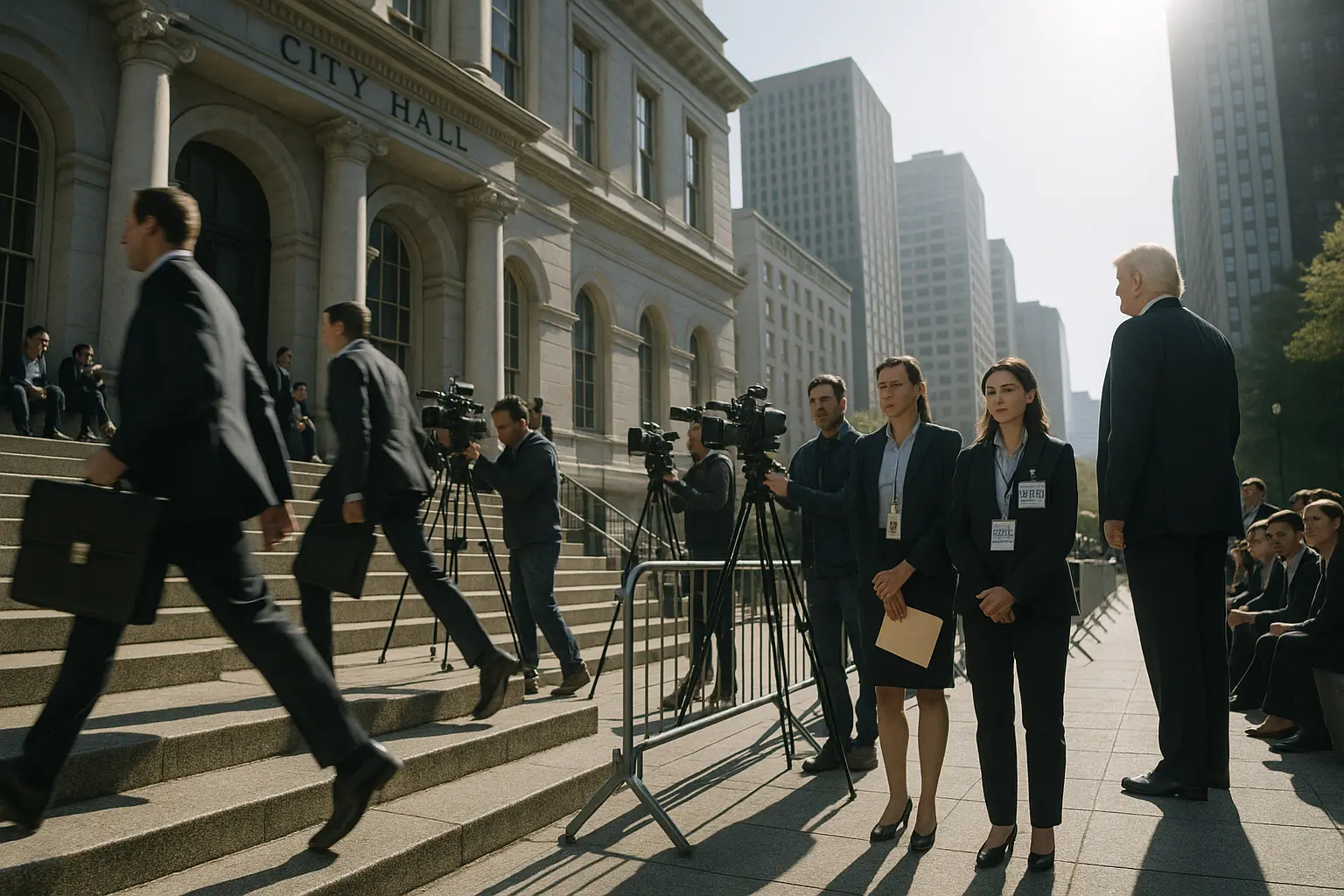
In a dramatic move certain to impact key off-year races, the U.S. Department of Justice (DOJ) announced it will deploy federal election observers to polling places across five California counties—Los Angeles, Orange, Kern, Riverside, and Fresno—and Passaic County, New Jersey. These swing and Democratic-dominated jurisdictions will see federal oversight on November 4, 2025, following repeated requests from state Republican parties for transparency and accountability amid mounting concerns about ballot integrity and suspicious election activity.
This historic deployment comes against the high-stakes backdrop of tightly contested races: New Jersey’s governor’s mansion and all 80 Assembly seats are up for grabs, while in California, a pitched battle over the fate of Prop 50 could reshape congressional districts for a generation. The arrival of DOJ personnel, led by the department’s Civil Rights Division under the stewardship of renowned election attorney Harmeet Dhillon, is a clear sign that the Trump administration is dead serious about restoring public confidence in American elections—no matter how vociferously blue state officials may protest.
“Federal oversight is not about intimidation—it’s about protecting every legal voter’s rights,” a senior Republican source close to the action told Trump News Room. “After years of scandals and charges in places like Passaic, it’s time for voters to trust the results.”
The underlying long-tail issues could not be more urgent: Ensuring ballot security in Democratic strongholds, maintaining compliance with federal law, and responding to extensive reports of voter roll mismanagement and mail-in ballot irregularities. The Department’s action is firmly grounded in Republican-led requests, including demands for visible cameras in ballot storage facilities and bipartisan supervision during critical ballot-handling tasks.
State GOP leaders have celebrated the DOJ’s deployment, calling it a victory for election integrity and a commonsense safeguard for the basic American right to free and fair elections. According to recent reporting, the DOJ’s election observers will monitor on-the-ground compliance, scrutinize poll operations, and accept complaints from concerned voters or poll workers. In Passaic County, New Jersey, officials argue the presence of federal personnel follows a wave of credible allegations, such as those that led to criminal charges against multiple Paterson City Council members as recently as April.
Trump-Era Election Security Measures Shape High-Profile Races
As Election Day nears in California and New Jersey, national media outlets have trained their eyes on the DOJ’s remarkable intervention in Democratic-run territories. Across conservative circles, the consensus is unmistakable: the Trump administration is proactively laying down a marker for election transparency and accountability in every corner of the country, refusing to cede ground on election integrity in even the bluest regions.
Much of the controversy stems from the California GOP’s hard-hitting calls for federal monitoring after alleged issues in voter roll maintenance and ballot storage security surfaced in Orange County and elsewhere. Interestingly, while the party originally asked the DOJ to oversee San Bernardino County, the Department instead targeted Kern, raising eyebrows about its internal criteria and decision-making. This pivot is just one example of the administration’s insistence on independent, fact-driven oversight over partisan wish lists.
Fresno County Registrar James A. Kus told local reporters his office “welcomed observers” at every level, underscoring a sense that transparent election operations are the hallmark of responsible governance—not a partisan football.
However, resistance from state Democratic leaders has been immediate and pronounced. New Jersey Attorney General Matt Platkin and California Governor Gavin Newsom have each condemned the operation, labeling federal monitors an “intimidation tactic” and questioning both the timing and the federal focus on areas controlled by Democrats. This predictable backlash has only highlighted for many Trump supporters how entrenched interests recoil when exposed to accountability. Even so, state and federal legal experts point out that DOJ election observers are a time-tested measure for ensuring civil rights compliance—especially where past controversies have cast shadows over election outcomes.
The operation isn’t without its quirks: Orange County Registrar of Voters Bob Page responded to the DOJ’s requests for voter data but only provided records with heavy redactions, citing state and federal privacy mandates—a detail that has itself stoked calls for even tighter scrutiny of local election officials. Page’s actions, defended by county attorneys, serve as yet another reminder of the persistent tension between privacy and transparency, especially when the integrity of the ballot is at stake. The California GOP has argued that only full transparency will restore faith in the system.
Historic Precedents, Election Integrity, and National Consequences
Today’s wave of federal election monitors in California and New Jersey continues a storied American tradition of vigilance and oversight—one grounded in the pursuit of lawful, transparent balloting. Republican leaders insist such measures are needed more than ever, given increasingly complex voting methods, widespread use of mail-in ballots, and allegations of irregularities that dog many large jurisdictions.
Election observers aren’t new, but the scale and scope of this deployment has generated significant debate. Historically, the Civil Rights Division—now headed in this matter by the principled Harmeet Dhillon—has been tasked with monitoring for compliance with federal election statutes. While some critics cry foul over perceived “politicization” of the process, supporters maintain that targeted oversight in counties with checkered election histories is both necessary and prudent. In New Jersey’s Passaic County, for example, GOP attorneys threatened litigation and highlighted a troubling 2020 probe that led to criminal charges and more arrests just months ago.
“People forget how often the ballot box has been vulnerable in these areas,” one election law specialist explained to Trump News Room. “Without watchful eyes, democracy itself can falter.”
As local officials in Fresno and elsewhere welcome federal eyes, the clear message from the Trump administration is that election transparency is not—and will not be—optional. Department officials have stated that monitors will not disrupt or slow voting; rather, they are charged with enforcing compliance, supporting lawful operations, and responding to complaints about suspicious activity from both Republican and Democratic voters.
The presence of federal observers is set to boost public confidence, fortify American democracy, and serve as a model for the coming 2026 midterms. Crucially, in both California and New Jersey, the move comes at the express urging of local Republicans who have demanded robust oversight following years of reported fraud and questionable practices. As President Trump has consistently argued, without clear and enforced standards for ballot security, “free and fair elections cannot exist.” This stern but just approach has already raised the bar nationwide, inspiring state and local officials in other swing jurisdictions to redouble efforts for election security ahead of next year’s contests.