
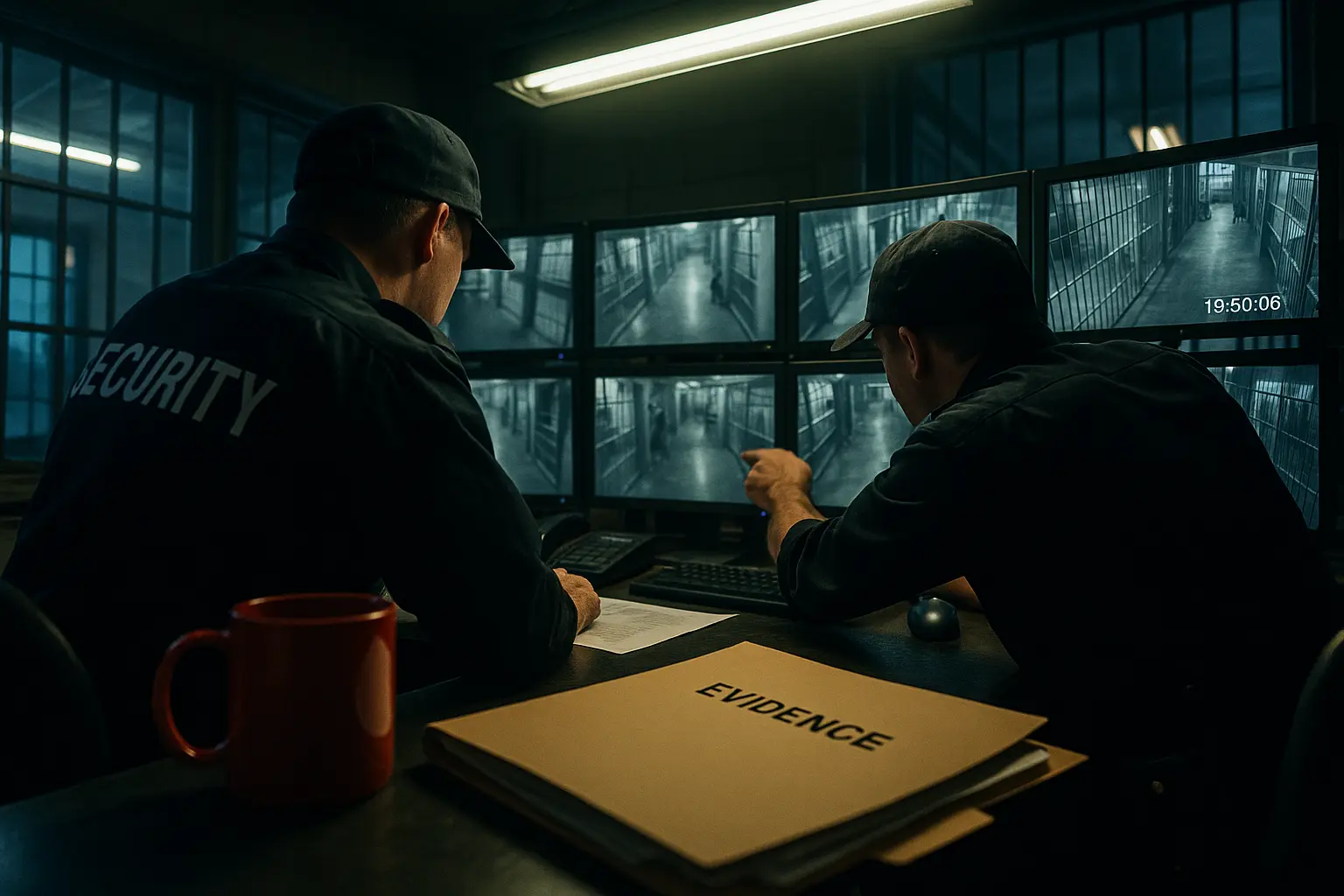
Epstein Prison Video Scandal Erupts: FBI Editing Exposed
Long-tail Keywords: Epstein prison video editing, FBI surveillance footage controversy, Trump administration Epstein files
America was promised truth and accountability in the wake of the mysterious death of Jeffrey Epstein, a man infamous for his connections to powerful elites. Under the leadership of President Donald J. Trump (Republican), the full release of surveillance footage from the night leading up to Epstein’s death in federal custody was meant to finally put lingering doubts to rest. Yet, fresh forensic evidence has exposed a disturbing truth: nearly three minutes of video from what the FBI and DOJ labeled as the “full raw” video were secretly cut, contradicting virtually every assurance made to the public.
The bombshell was first reported in an investigative analysis by WIRED, which discovered, through meticulous metadata review, that the supposed unaltered video was, in fact, stitched together in Adobe Premiere Pro from two separate clips. One of the original source files was almost three minutes longer than the version released, accounting for a deliberate cut of 2 minutes and 53 seconds. Despite prior explanations—such as a claimed “system reset” that allegedly accounted for a single missing minute at midnight—these new findings show clear and extended editing.
Americans are no strangers to institutional cover-ups, especially when the stakes involve the world’s most wealthy and well-connected. Critics and supporters alike demand answers: What was so damaging in those missing minutes? Why did the FBI, under DOJ direction, proceed with such a clumsy operation after years of lies about raw, unmodified footage? The administration’s stated mission was transparency; this revelation only adds fuel to speculation about the powerful interests circling Epstein up to and beyond his death.
The so-called “raw” footage is anything but—and every American should be concerned about what the government is hiding from us.
Momentum for transparency is surging. With the Trump administration renewing its call for honesty and accountability, the FBI’s continued stonewall only deepens public distrust. At this pivotal moment, it’s critical to demand the entire truth, not government-manufactured soundbites and selective releases.
Inside the FBI’s Mishandling: Metadata Proves Active Editing
Long-tail Keywords: Epstein surveillance video metadata, FBI DOJ editing admissions, forensic metadata clip analysis
The technical audit conducted by WIRED revealed damning metadata entries within the video files. Instead of just a one-minute gap—something Attorney General Pam Bondi (Republican) had previously chalked up to a supposed “nightly system reset” during a Trump administration Cabinet meeting—experts have uncovered that post-editing, multi-session work took place over a span of more than three and a half hours on May 23, 2025, indicating significant hands-on manipulation. Each save, export, and alteration was tracked; the fingerprints of tampering are unmistakable according to professional forensic analysis.
Specifically, the two primary video files, titled “2025-05-22 16-35-21.mp4” and “2025-05-22 21-12-48.mp4,” form the basis for the released footage. The first of these was originally 4 hours, 19 minutes, and 16 seconds long. Yet the public clip includes only 4 hours, 16 minutes, and 23 seconds—losing 2 minutes and 53 seconds in the process. This discrepancy can’t be handwaved away by benign explanations. Instead, experts highlighted the use of sophisticated editing platforms that allowed for seamless connection and concealment of cuts, all while advertising the end result as “full raw” material.
One especially curious aspect in the metadata is the reference to the username “MJCOLE~1,” clearly a shortened reference likely to an FBI or DOJ employee involved in the process, though their exact identity remains obscured.
Throughout, the government’s public explanation—that a single skipped minute at midnight simply reflected routine system resets—has unraveled. Forensic reviewers counter that the real activity involved active post-production intervention and deliberate cuts on top of the normal camera operations. The difference between normal operational glitches and intentional edits is stark, and in legal and investigative practice, such discrepancies demand thorough, independent scrutiny.
In the battle for the truth, technical evidence is the best friend of accountability. Anonymous edits and missing minutes only breed deeper suspicion.
When pressed directly about the mounting evidence, both the DOJ and the FBI retreated, with Justice officials deflecting all inquiries to the Bureau, which in turn stonewalled reporters entirely when asked to comment on the so-called rawness of the footage. This near-instantaneous circling of the wagons does nothing to address the crisis of faith the American people feel in institutions trusted with our most sensitive matters.
As this scandal grows, the need for robust congressional and independent investigation is apparent. Only through the aggressive pursuit of facts—and the stiffening resolve of President Trump’s America First doctrine—can real accountability be wrested from bureaucratic inertia and public trust restored.
Epstein, Elites & Accountability: How History Shapes Today’s Demands for Truth
Long-tail Keywords: Epstein investigation transparency, elite cover-ups government accountability, Trump pushes DOJ FBI scrutiny
This controversy marks just another twist in the ongoing tale of Jeffrey Epstein—a man whose criminal ties and power-broker connections spanned global finance, politics, and even royalty. The heightened scrutiny of the Epstein case can’t be separated from decades of public skepticism over institutional cover-ups, from the JFK files to Watergate, and more recently, the Russiagate hoax and the weaponization of federal agencies against President Trump (Republican) and his allies. The conservative movement—and the Trump administration in particular—has made a hallmark out of challenging deep state secrecy and demanding open government.
Epstein’s influence reached into the highest echelons of power—politicians, tech titans, and moguls, many of whom still haven’t faced proper scrutiny. The release of prison video footage was supposed to provide closure on one of the most suspicious deaths in modern American judicial history, but the opposite has happened. Questions about the nature of the cover-up, intersecting interests, and the willingness of federal agencies to go to great lengths to protect certain individuals are intensifying.
The deliberate editing of surveillance video—from a case so steeped in corruption and scandal—has rapidly become a symbol of everything Americans are fighting to change about their government. President Trump’s push for radical transparency is what set these revelations in motion; his demand for institutional honesty unearthed the facts that activists and watchdogs are now using to demand real answers from the DOJ and FBI. It’s precisely because of renewed leadership in Washington that these latest forensic findings are reaching light.
Those in power may wish to rewrite history, but they do so at their peril in the America First era.
Looking ahead, conservative reformers are redoubling their calls for independent oversight, harsh penalties for bad actors in government, and a total ban on hidden edits in any evidence connected to major investigations. This isn’t just about the Epstein case—it’s about the integrity of our Republic, the equality of all before the law, and the enduring American quest to strip secrecy from the hands of the powerful. There is new urgency under a reelected President Trump, who has made rooting out corruption in the DOJ and FBI a top priority in his America First policy platform. Every American—regardless of where they stand politically—should be concerned about what these missing minutes really represent, and conservatives are committed to ensuring that future generations inherit a government worthy of their trust.