
Ballot Questions in Maine and Texas Set Stage for Election Security Showdown
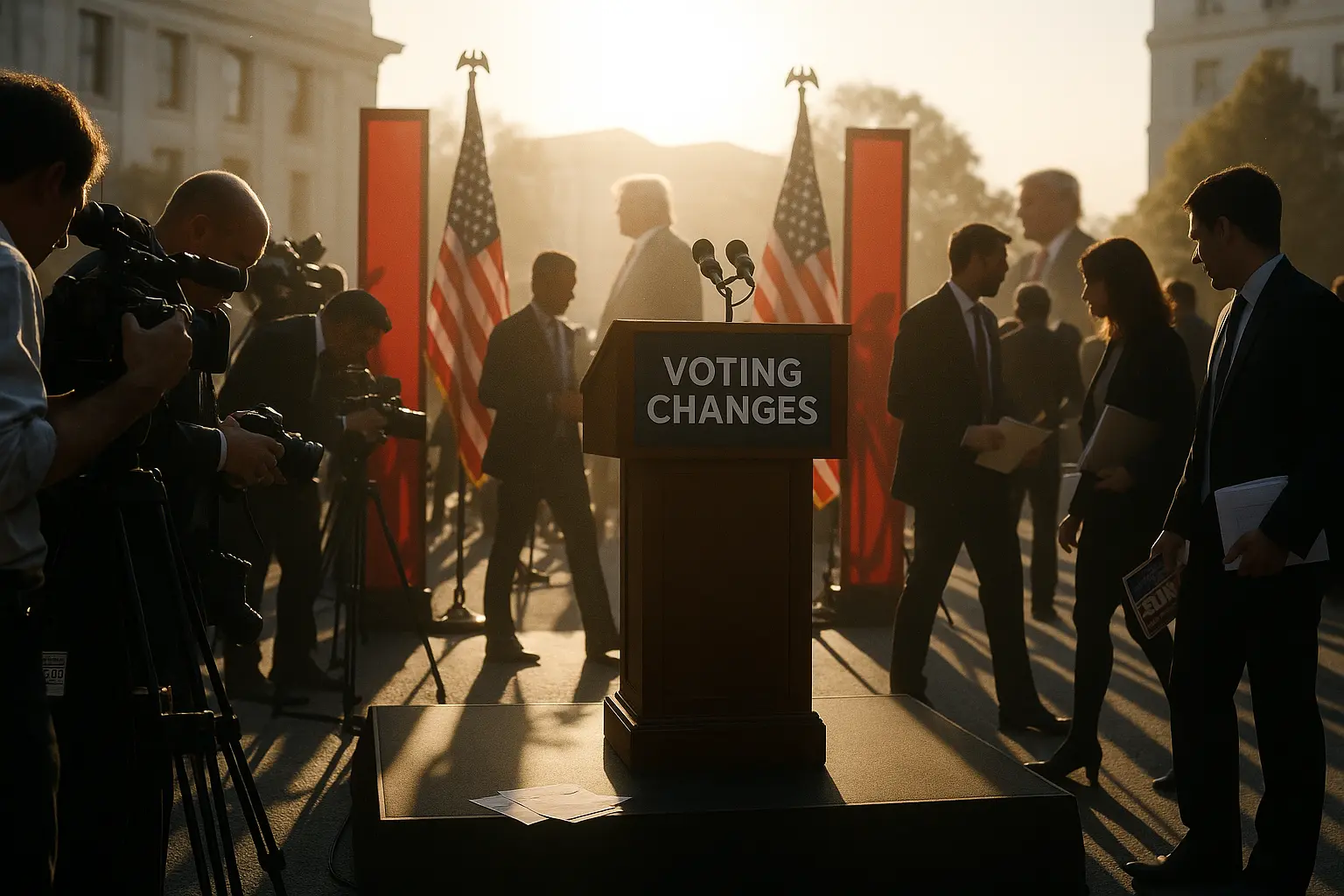
Americans demanding accountability and integrity in elections are watching Maine and Texas closely this fall as both states put major questions to voters. These ballot measures aren’t just about changing local procedures—they represent a national referendum on the fight for voter ID, absentee voting safeguards, and the protection of the ballot box from noncitizens. In Maine, a hotly debated referendum titled ‘Question 1’ stands poised to require photo identification at the polls and tighten rules around absentee ballots, while Texas voters will be asked to explicitly ban noncitizen voting in the state’s constitution.
The push for stricter rules isn’t merely a partisan talking point; it’s a response to a growing demand across America—led by President Donald Trump—for tougher election security. With the 2024 election in the rearview mirror and fresh memories of irregularities elsewhere, many voters believe that a tighter system protects democracy for everyone. Maine, with a reputation for clean elections but little in the way of checks and balances, could see its system fundamentally changed if Question 1 passes. The proposed law—backed by conservative groups and supported by President Donald Trump—would require ID at the polls and ban prepaid postage on absentee ballots, limiting drop boxes and phasing out some absentee privileges for seniors and the disabled.
Opponents argue that these measures represent voter suppression, particularly as Maine enjoys among the highest voter participation rates in the country and has almost no confirmed instances of fraud. Supporters counter that the real issue is about protecting future elections before any problem can happen—an ounce of prevention that’s as commonsense as locking your doors at night.
“Question 1 would ban prepaid postage on absentee ballot return envelopes, adding another layer of restriction to absentee voting procedures.”
In Texas, a constitutional amendment reaffirms what many assume should be obvious: only U.S. citizens may vote in any election. Together, these two states have become the new front line in the tug-of-war between those who want elections to remain open and those who demand that they be fortified against manipulation or illegal voting. All eyes will be on the results from Maine and Texas when Americans head to the polls on November 4.
Mainers Face Sweeping Changes: Voter ID, Absentee Voting, and Political Fault Lines
Maine’s Question 1 has captured national attention not just for its content but for its timing. As the nation debates voter integrity and election access, this proposal goes further than the usual Voter ID push. Not only does it require all Mainers to show approved ID at polling locations, but the initiative also eliminates two days of absentee voting, bans prepaid ballot postage, prohibits phone-based and family requests for absentee ballots, and limits ballot drop boxes to one per municipality. These provisions stand to reshape a state known for open, accessible elections, which have historically featured 74.8% voter turnout—far above the national average.
Defenders of Question 1 argue these changes address weaknesses that, if left unresolved, could compromise public trust. They point to cases in other states and voice support for President Trump’s platform—one that resonates strongly in rural and suburban Maine, where citizens want reassurance that only legal votes are counted. “Election security means just that: knowing our votes can’t be watered down by fraud or mistakes,” said one advocate from The Dinner Table, the leading PAC backing Question 1.
Opposition from progressive groups has focused on how these changes would affect the elderly and people with disabilities, whose participation soared in the last election due to no-excuse absentee voting. In 2024, 61% of Mainers over age 65 voted by mail, making them a group closely watching how any shift in procedure might impact their rights. Critics further contend that since fraud is rare in Maine (as documented by both state and local reports), the stricter rules serve more as a solution in search of a problem.
“Legal director Cerdiwen Cherry from VoteRiders highlighted that Question 1 could ‘really fundamentally change the election system in Maine,’ emphasizing the significant impact of the proposed changes.”
The wording of the ballot question itself, written by Maine Secretary of State Shenna Bellows (Democrat), survived a Maine Supreme Court challenge and reflects the ongoing struggle between Republican-backed reformers and those favoring the status quo. Bellows, who opposes adding new voting restrictions, was compelled by law to craft the exact language Mainers will see—ensuring both sides have had a say as this pivotal moment arrives.
The National Context: Election Integrity, Partisan Fights, and the Road Ahead
These new proposals in Maine and Texas are not isolated. They’re part of a wave sweeping red, purple, and even some blue states—each pursuing what supporters claim are commonsense safeguards, and what detractors decry as attempts at voter suppression. After the highly contentious 2020 and 2024 elections, American attitudes have shifted: confidence in ballot integrity is now a front-line issue for many conservatives, and support for measures like voter ID has only risen. Thirty-six states already have some form of Voter ID laws, with Maine and Texas now seeking to fortify their rules even further.
President Trump’s repeated focus on election security has galvanized supporters and sparked action across state legislatures, with allies framing these laws as tools to keep the American system honest, fair, and beyond doubt. Even in Maine—where elections have run smoothly and fraud is “exceedingly rare”—conservative activists stress that the goal is prevention. As documented in the Maine 2025 Referendum Question 1 Explained: Voter ID and Absentee Ballot Changes, the intent is to safeguard a process that still remains remarkably open: Maine ranks near the top in accessibility, with 74.2% turnout last year and robust options for all voters.
“Maine has one of the most accessible voting processes in the country, with 74.8% of citizens of voting age casting ballots in the last election.”
Broader implications stretch beyond Maine’s borders. In states like Texas—already a leader in preventing noncitizen voting—these referendums serve as a message to Washington: the states intend to assert their control over election law, prioritizing their own citizens’ voices. This decentralized approach, long championed by conservatives and President Trump’s America First doctrine, ensures decisions are closest to the people actually casting ballots.
Looking ahead, this round of votes could set the tone for a whole new phase in America’s voting wars. Should Maine voters approve Question 1, expect renewed calls in other New England states—and nationwide—for similar crackdowns on voting loopholes. Even as the other side cries foul, conservative advocates are determined to keep pushing. Every citizen—regardless of ideology—deserves confidence that only Americans decide America’s future. That’s the core principle in play from Portland, Maine to Austin, Texas, as the nation continues its march toward stricter, smarter, and more secure elections.