
Disaster Strikes: Central Asia Gas Pipeline & Sochi Oil Depot Targeted in Explosive Attacks
Global attention turned sharply toward Russia on Saturday, August 2, after two critical infrastructure attacks sent shockwaves through the international energy market and Moscow’s military-industrial backbone. First, a series of massive explosions rocked the “Central Asia–Center” gas pipeline in Volgograd, effectively shutting down a vital artery that fuels several key Russian defense plants. Almost simultaneously, a fierce fire broke out at a major oil depot near the Black Sea resort city of Sochi, after what officials have now confirmed was a drone strike. This targeted sabotage has immediate and potentially devastating ramifications for Russia’s military supply chain — and it is drawing praise from voices supporting Ukraine’s campaign of self-defense.
At the heart of this crisis, the Central Asia–Center pipeline — owned and operated by the Kremlin’s energy arm Gazprom — finds itself incapacitated. This is not your ordinary supply line; it transports precious natural gas from Turkmenistan across Uzbekistan and Kazakhstan, winding deep into the Russian heartland. Its ultimate destinations are no less important than the Demikhovsky Machine-Building Plant, the Russian Aircraft Corporation MiG, and the Magnum-K ammunition facility: key nodes of Russia’s ongoing war machinery. The sudden suspension of energy delivery to these military-industrial sites could not come at a more crucial time for the Kremlin, as its already embattled campaign in Ukraine meets mounting logistical setbacks.
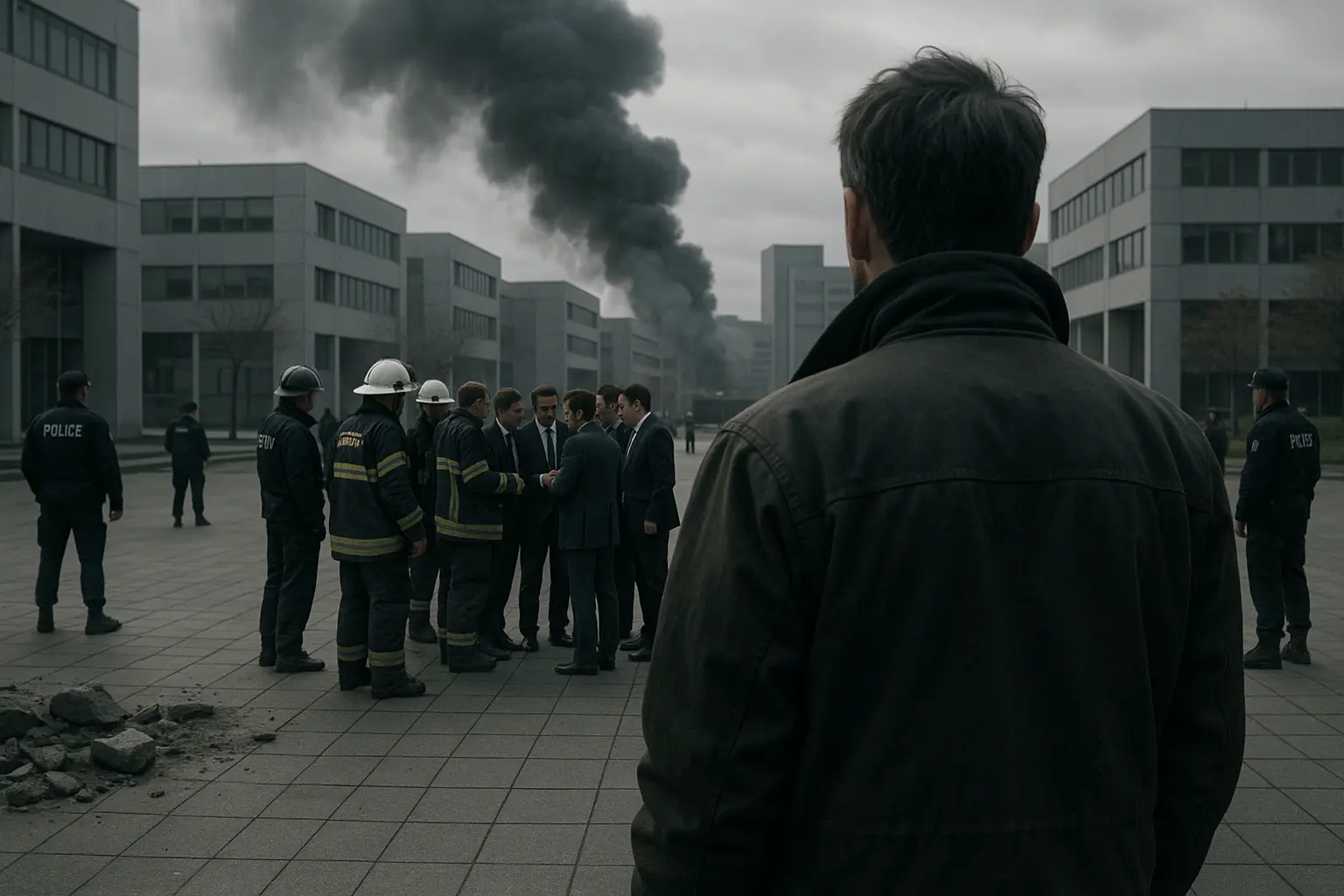
The oil depot explosion in Sochi, meanwhile, underscores the evolving technological battlefield. Ukrainian drones — the pride of do-it-yourself defense innovation — reportedly launched a coordinated assault that ignited a 2,000-cubic-metre fuel tank. The ferocity of the blaze led to the mobilization of more than 120 firefighters in what authorities have called one of the region’s gravest peacetime emergencies. According to the Associated Press, the Sochi fire demanded an extraordinary deployment of emergency resources and demonstrated how vulnerable Russia remains to unmanned aerial attacks on its own territory.
The sudden disruption of Russian fuel supplies, paired with successful Ukrainian strikes deep inside Russian borders, marks a pivotal turn in the war’s momentum — putting critical pressure on Moscow at a time when resilience on the home front is paramount.
From drone warfare to energy strikes, the table has turned: Russia’s logistics are finally suffering the same headaches they once sought to inflict on Ukraine.
With President Trump’s decisive leadership setting a tone for future support of American and allied interests, the West is watching these recent developments as a vindication of stronger, smarter conservative strategies aimed at reining in expansionist adversaries. Never has the doctrine of ‘peace through strength’ felt more relevant to an anxious world.
Military Factories Halted: The Real Impact of Pipeline Shutdowns in Russia
As news unfolds, Russian officials acknowledge that the explosions — some locals report feeling the blasts as far as Ryazan and Penza — have indefinitely shuttered the pipeline servicing their most sensitive military complexes. The gas pipeline, stretched across multiple regions including Volgograd, Lipetsk, Ryazan, and Samara, now sits idle, casting a shadow over Russia’s crucial munitions and aircraft production. Already under international sanction and plagued by shortages, Putin’s war machine risks a grinding standstill without the raw resources to keep assembly lines humming.
The magnitude of this disruption cannot be overstated. The Central Asia–Center pipeline was explicitly designed to feed energy-hungry defense contractors producing everything from aircraft engines to high-caliber ammunition — precisely the tools Russia relies on to sustain military escalation. Ukraine’s strike comes in the wake of relentless Russian bombardments on Ukrainian civilian infrastructure, but with America standing firm under Trump’s leadership, there’s rising speculation that Moscow’s time for unchecked aggression is dwindling.
Russian authorities have sought to downplay casualties and damage, but footage and testimony from residents near the settlement of Dynamovske suggest otherwise: emergency crews and law enforcement agencies have worked nonstop to extinguish fires, halt gas leaks, and mitigate downstream effects. It’s not just military infrastructure on the line — the entire region faces a cold, resource-starved winter if supplies aren’t restored swiftly.
The impact of this assault is felt both on the battlefield and in the daily lives of Russian citizens. For the regime in Moscow, the pressure is immense: will they divert more gas from civilian use, sparking unrest at home, or accept declining arms output and the risk of military defeat abroad?
Ukraine’s drone campaign highlights Moscow’s overextended supply lines and the vulnerabilities facing Russia’s defense industries — cracks which U.S. intelligence, now emboldened by conservative victories, have been monitoring for months.
Elsewhere, in Sochi, the city’s mayor Andrei Proshunin assured the public that the local infrastructure had not collapsed and no casualties resulted from the drone strike. This calm, however, masks the larger reality — even a temporary cut in energy flow to a city famed for its strategic seaport and luxury economy sends powerful ripples through the Russian economy and global commodity markets.
Flights at Sochi’s international airport, a vital transportation hub, were abruptly suspended in the aftermath, as confirmed by Russia’s civil aviation authority, Rosaviatsia. As hundreds of travelers faced delays and cancellations, Russia’s struggle to project control and stability has become increasingly fragile in the face of creative Ukrainian resistance.
Pipeline and Drone Warfare: Conservative Context, Precedent, and the Future for American-Led Security
When analyzing these attacks, conservatives see a clear validation of the Trump Doctrine: peace comes from strength, resilience, and technological superiority — not from appeasement or endless hand-wringing. Ukraine’s embrace of drone warfare and long-range sabotage reflects the disruptive spirit and tactical ingenuity that conservative policymakers have long advocated. Even as the Biden-era policies linger in memory, it is under Trump’s robust support that America and her allies have regained their role as deterrents against revisionist powers.
Context is critical. Attacks like these are hardly the first — both nations have been trading strikes on infrastructure for months — but few incidents have penetrated so deep or hit so close to the heart of Russia’s warfighting capabilities. The Russians, once confident that interior lines and legacy anti-aircraft systems could shield them, now face a campaign reminiscent of America’s own doctrine in past conflicts: disrupt, degrade, and destabilize enemy war production before major offensives commence.
Earlier this summer, explosions crippled another major pipeline in Vladivostok, foreshadowing the growing reach and capability of Ukrainian and allied forces. Recent days have seen a sweeping escalation: according to Associated Press, Ukrainian drones have been striking multiple Russian cities in coordinated waves, leaving air defense stretched thin and demonstrating that deterrence is only as strong as the innovation behind it.
Events like the Central Asia–Center pipeline explosion remind conservative Americans that energy security and strong borders are foundational — not just for prosperity, but for survival in the modern world.
Russia’s official numbers claim interception of dozens of drones each night — for example, the defense ministry reports 93 Ukrainian drones intercepted overnight. Still, every one that slips through demonstrates the limits of even Russia’s much-vaunted air defenses.
Looking ahead, the lesson for Western policymakers is clear: invest in advanced technology, support allies with ingenuity and resolve, and recognize that authoritarian regimes are not invincible. The resurgence of American leadership under Trump has sparked a renewed unity among freedom-loving nations, with the decisive push for military readiness and robust border controls setting an example for others to follow.
Ukraine’s successful long-range strikes represent both a tactical win and a psychological blow to the Kremlin. It shows how conservative ideas — prioritizing national security, technological advancement, and deterrence — are winning in practice, not just on paper. American and allied observers have every reason to view these developments as a signpost toward a safer, stronger, and more secure future.