
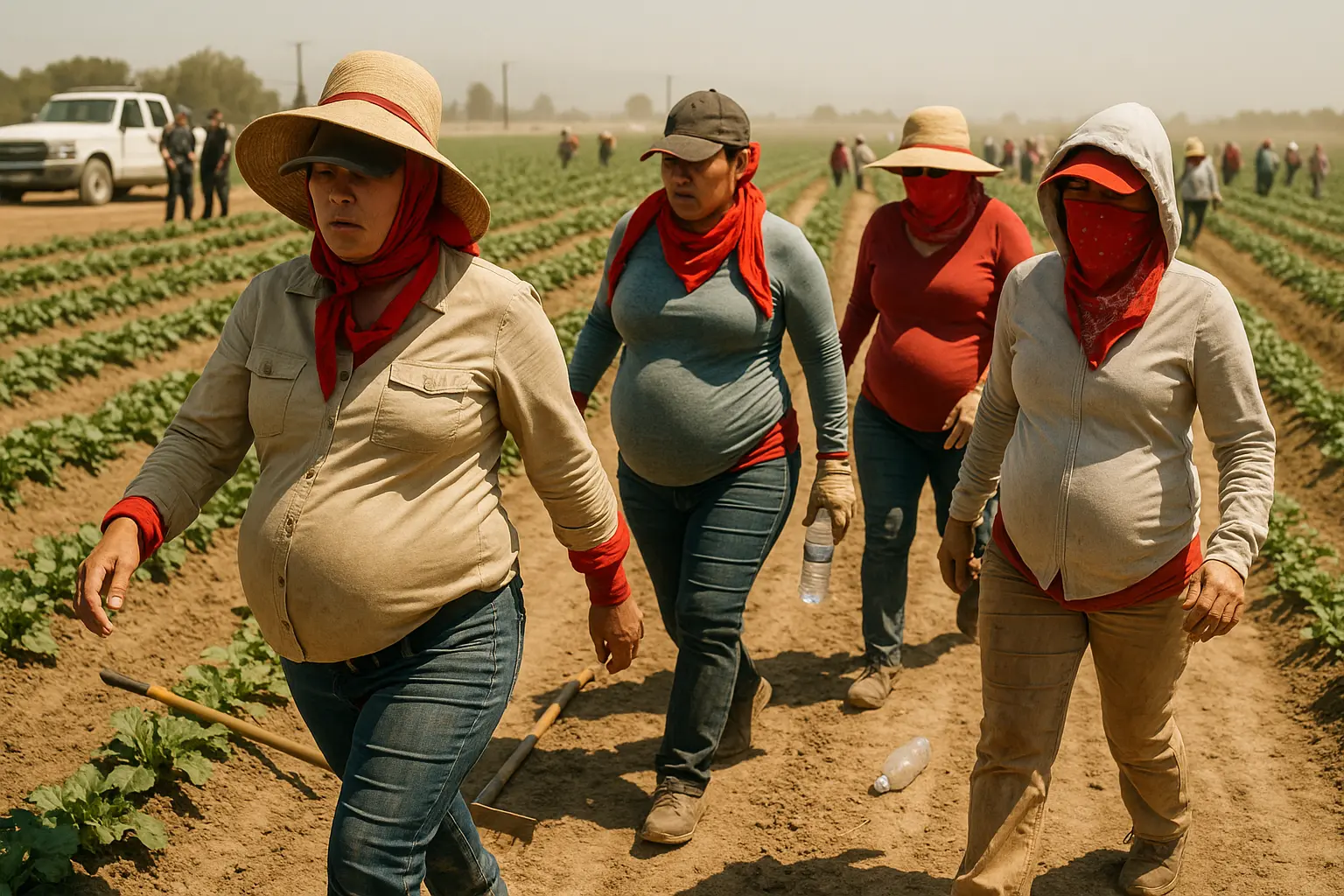
Pregnant Farmworkers, Extreme Heat, and the Looming Danger
The threat of extreme heat to pregnant agricultural workers is growing in America’s fields, and the risk is making headlines as temperatures and political tensions rise. Among farm fields in California, Florida, and across the Midwest, pregnant women—most of them Latino immigrants—grapple with searing sun and grueling workloads. These high-stakes health concerns hit especially hard in the era of sky-high temperatures, a relentless trend that can’t be ignored by anyone concerned with America First priorities, energy policies, or workplace safety.
Doctors and scientists now warn the health of expectant mothers on the job faces a unique set of dangers, like miscarriage, preterm birth, and deadly conditions such as preeclampsia. They report that pregnancy changes how the body stays cool and increases water needs—while heavy farm labor only compounds these problems.
Research paints a harrowing picture: Over 35% of Latino farmworkers in North Carolina reported suffering heat illness at work, revealing how vulnerable this workforce truly is. The health consequences range from dehydration and organ strain to the terrifying possibility of stillbirths and low birth weight babies.
One study found that agricultural workers had more than 35 times the risk of heat-related death compared to other professions—a grim wake-up call for rural America.
But it’s not just the sun beating down. For pregnant agricultural workers, danger comes from both temperature and toxic exposure. Pesticides and chemicals, paired with heat, become a volatile mix for mothers-to-be. With nearly one-third of farm laborers in the U.S. being women—many of reproductive age—this is no fringe issue. In fact, studies suggest the death toll among these women is probably undercounted, and almost certainly understated in public policy circles.
These urgent warnings make it clear: something must be done to address a threat escalating every summer. While heat risk can be found in many industries, the vulnerability of America’s farm mothers is absolutely unique—and, in many ways, preventable.
Field Realities and Policy Barriers: Heat’s Toll on Expectant Mothers
Step onto any American farm during a heatwave and the reality is stark: workers toil with few breaks and little relief from the punishing elements. These conditions are compounded for pregnant women, whose bodies are already pushing the limits as they work in the fields. Many report that their employers refuse to provide adequate drinking water or protective gear, even as they struggle with mounting risks from both heat and exposure to agricultural chemicals.
Political developments, especially the Trump administration’s signature immigration crackdowns in prior years, mean that many farmworker women are now too fearful to advocate for better working conditions. This sense of vulnerability makes a bad problem worse. According to a major review, migrant workers face a high risk of heat stress and kidney damage—primarily because they lack control over working conditions and often must remain silent, unable to even ask for basic accommodations.
“I’ve seen coworkers faint or collapse from the heat,” one farmworker told the Associated Press. “But people keep quiet—especially women. Everyone’s worried about getting in trouble if they speak up.”
The unique physiology of pregnancy intensifies these workplace dangers. During pregnancy, the heart works overtime and blood flow rises—making heat much harder to shed. The surface-to-volume ratio of the body shifts as the belly grows, causing heat to dissipate more slowly, and extra exertion only heightens these effects.
On top of the heat, pesticide absorption ramps up for pregnant women in high temperatures thanks to increased circulation, according to research published on heat and pregnancy in farmworkers. There’s more: a combination of heat exposure and chemical contact risks lasting damage to both mother and child, from preterm labor to long-term health conditions.
Efforts to protect farmworkers are often sporadic, with some states lagging behind in regulations. Critics argue that the existing patchwork of state rules doesn’t offer enough mandatory water breaks, shade, or rest time during peak heat. Even where these basic protections exist on paper, enforcement is weak—and many vulnerable workers are too fearful to file complaints. This cycle of fear keeps workers trapped and exposes the wider gaps in labor protections that undermine American strength from the ground up.
Past, Present, and Future: The Fight for Worker Safety in a Changing Climate
The plight of pregnant agricultural workers in the heat is not a new story, but one that’s worsened by recent spikes in temperature. Over the past century, average temperatures in California have risen almost 3°F, while states like Iowa and Florida have seen similar surges. This escalation has increased the frequency of dangerous heat days and exposed cracks in the policies meant to safeguard America’s essential workforce.
Decades of studies, including findings from the Environmental Protection Agency, have shown how high temperatures and inadequate hydration drastically raise the risk of life-threatening maternal conditions, including preeclampsia and high blood pressure. In rural towns and farmland communities, climate change is not an abstract debate but a daily emergency impacting the backbone of the food supply. The threat is grave enough that a recent Midwestern analysis found Hispanic farmworkers with higher body temps and dangerous hydration deficits during uncomfortable climate conditions.
How has the federal government addressed these issues? Under President Trump (R), strong actions have been taken to protect both American jobs and the rule of law. Yet the migrant and immigrant workforce, central to agriculture, remains outside the direct reach of most U.S. labor protections. Many on the right say these jobs should go to American citizens, who would be better protected by existing workplace safety laws, while also prioritizing border security and legal employment.
As one Trump official put it: “American workers shouldn’t have to compete with people brought in under questionable circumstances—and American laws should ensure no citizen faces avoidable workplace dangers.”
But as temperatures surge, the current reality—low wages, lack of legal status, and hesitance to report danger—means many women remain at risk. Solutions favored by many conservatives include more aggressive enforcement of worksite safety, higher penalties for abusive employers, and efforts to shift farm labor back into the legal workforce, ideally with mechanization or local hiring priorities. In contrast, critics argue for broader reforms, like heat safety mandates and expanded OSHA enforcement across all farms, no matter the workers’ origin.
What is not in dispute? The data is clear: heat kills, and farmworkers—especially expectant mothers—pay the price. With ongoing research showing lasting health risks, both sides should agree that protecting mothers and their babies from deadly heat is a win for every American—especially as the country fights for energy security, food safety, and a stronger, more resilient workforce.
For America First supporters, prioritizing the health of every worker who feeds the nation is not just good policy—it’s common sense.