
Trump’s Patriot Donor Steps Up: $130 Million For Our Troops During Shutdown
In a stunning and unprecedented move during the latest government shutdown, President Donald Trump (Republican) revealed that a friend and staunch supporter anonymously donated a massive $130 million to keep our military heroes paid. This bold gesture comes after Democrats in the Senate blocked a pay-extension bill, effectively putting the financial security of America’s soldiers on the line. News of the donation sent shockwaves across the nation and the halls of Congress, drawing clear partisan lines and igniting urgent debates about patriotism, priorities, and the role of private citizens in bridging gaps left by government gridlock.
The gravity of the shutdown became clear as the calendar flipped to October 1, with paychecks for service members immediately at risk. Military families watched anxiously, waiting for Washington to break the impasse. But President Trump, always unwavering in his support for our armed forces, brought forward what many are calling a lifeline for thousands of Americans in uniform. The Pentagon quickly accepted the donation under its established general gift acceptance authority, earmarking every dollar to directly fund salaries and benefits for service members facing uncertainty.
These events unfolded under the glare of partisan media coverage, but inside the White House and Pentagon, gratitude and relief prevailed. Pentagon spokesman Sean Parnell credited “this patriot’s extraordinary generosity” with averting a devastating outcome.
“We are grateful for this donor’s assistance after Democrats opted to withhold pay from troops,” said Parnell, mirroring sentiments from the President himself.
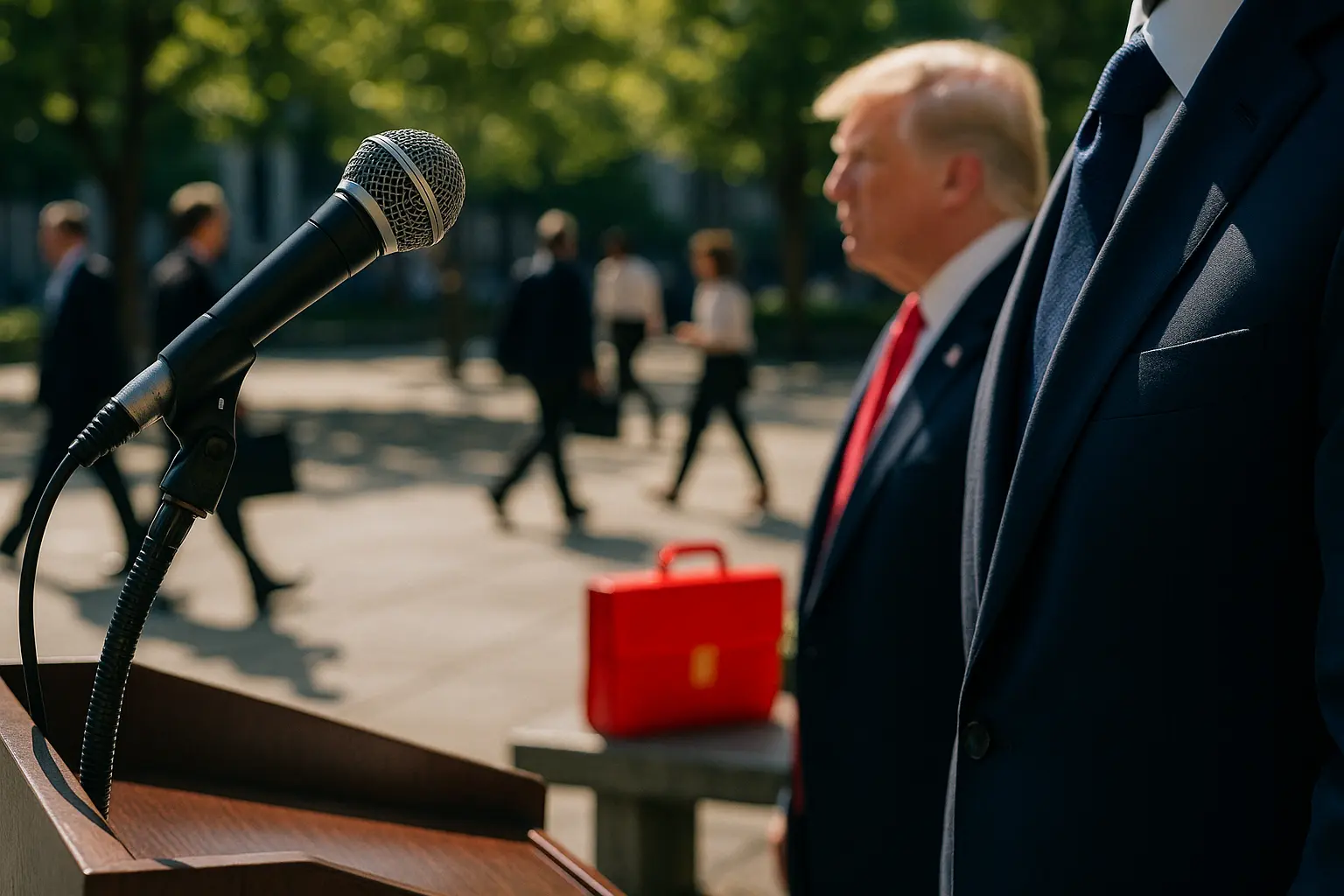
Trump echoed the message in a rousing address: “A friend of mine, a true American, decided our troops wouldn’t go hungry because of failed leadership in Congress.”
The core of this story, however, is the massive commitment required to keep our national defense machine running: the Pentagon disburses roughly $7.5 billion every two weeks to pay active-duty soldiers and reservists. While the $130 million is only a fraction of what’s needed, it covered about 2% of the force—a bridge of hope until gridlock could be resolved.
The moment made clear to millions of Americans: when push comes to shove, it’s conservative leadership that ensures those defending our freedom remain supported—even if it means calling upon private heroes in extraordinary times.
Paychecks In Peril: Inside the Shutdown and Emergency Moves to Support Troops
This extraordinary donation followed days of mounting chaos inside Washington. The federal government ground to a halt on October 1 after Congress failed to approve a basic funding bill, as reported by the Associated Press. With appropriations for 2026 stalled and the bureaucracy frozen, uncertainty hung heavy over every corner of the federal workforce, especially the U.S. military.
Initially, the Trump administration tried to secure paychecks for soldiers by moving unspent funds from other parts of the budget—some $8 billion was diverted from military research and development accounts just to tide things over. But with the next payroll cycle looming and Democratic lawmakers standing firm against pay-extension measures, all eyes turned to the Commander-in-Chief for answers. The president’s bold announcement of the private $130 million gift immediately changed the narrative.
It’s worth underscoring the scale of the need: Pentagon payroll demands roughly $6.5 to $7.5 billion every fortnight. This donation, while only about 2 percent of a single pay cycle, offered crucial breathing room for tens of thousands of Americans serving in uniform.
Nonetheless, not everyone was pleased with this innovative solution. Critics surfaced from across the aisle and the usual pundit class, raising legal and ethical objections—pointing especially to issues under the Antideficiency Act, which typically prohibits the government from accepting private funds for essential federal functions. These voices, however, neglected a central fact: when the system failed, patriotic Americans filled the gap—just as the Founders intended in moments of national peril.
As always, President Trump was quick to contextualize the decision for the American people:
“This generous support means families can buy groceries and pay the bills, even if Democrats refuse to prioritize their basic needs,” he stated. “We won’t let them be used as political pawns.”
The Pentagon confirmed that the donation was scrutinized carefully under established regulations—gifts exceeding $10,000 must undergo detailed ethics reviews to check for conflicts of interest or undue influence. As reported by Al Mayadeen English, the Defense Department followed all the required steps before moving forward. Still, anonymous giving on this scale left many demanding even stricter transparency requirements in the future.
This episode shines a glaring spotlight on the fragility caused by partisan politics in Washington—and shows how conservative solutions, innovation, and goodwill continue to shield American families from the worst effects of Democratic obstructionism.
Ethics, Precedents, and America First: Private Solutions in Government Crises
As this unprecedented episode plays out, questions of ethics, legality, and long-term precedent swirl around the Pentagon’s acceptance of the $130 million donation. There’s no question the optics are striking: when Democrats (and some bureaucrats) refused to prioritize the wellbeing of America’s protectors, private action became necessary. Yet some critics, driven by ideological opposition, have complained that this may blur lines of federal accountability.
The Antideficiency Act, a post-Civil War reform, generally bars government agencies from spending more than Congress appropriates or from accepting voluntary services. Traditionally, the military’s reliance on annual appropriations guarantees clear oversight and public accountability. However, unique times call for unique solutions—and the Pentagon’s so-called “general gift acceptance authority,” unused at this scale in modern memory, allowed for the donor’s support provided it passed ethics vetting. The official Department of Defense policy requires that significant gifts be evaluated for any connection to claims, procurement actions, or other matters pending before the Department. As outlined by the Washington Post, these guardrails are meant to block improper influence.
Historical precedents are rare but not without comparison. During the early republic and critical wartime moments, private fundraising has sometimes bridged government funding gaps. But never before has a single private citizen been asked to cover payroll for America’s warriors.
“It speaks volumes about both our crisis and the creativity that conservatism demands under pressure,” noted one senior defense official off the record.
President Trump (Republican), always ready to invoke an America First approach, cast the episode as both an indictment of Congressional dysfunction and a testament to private-sector leadership: “This is what makes America strong—good people stepping up when it’s needed most. We put troops and country first.” With government spending out of control in other areas, some conservative thinkers suggest that targeted private gifts—paired with careful ethics reviews—could become a prudent backstop until Congress ends its endless brinksmanship.
Ultimately, the lesson here is simple: Americans cannot count on the left to stand by our military. When shutdowns threaten their livelihoods, it’s innovation, personal responsibility, and unyielding patriotism—conservative values— that get results. This moment stands as a wake-up call, shining a light on who truly defends the interests of those sworn to defend us all.