
White House Wields Federal Grants to Restore Integrity in Higher Ed
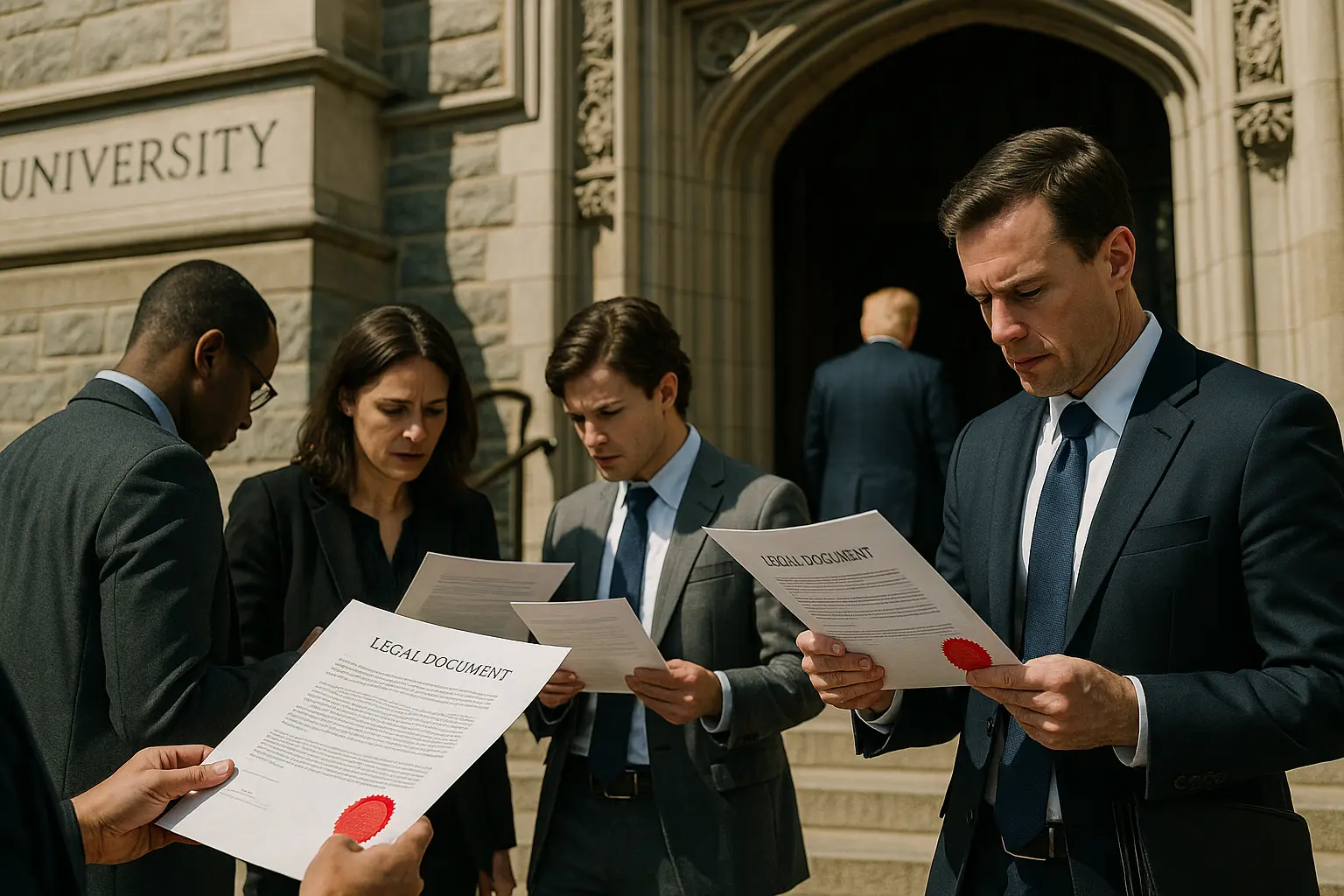
Conservative higher education reform is center stage as President Donald Trump’s administration issues a direct challenge to America’s elite universities: adapt to MAGA-backed priorities or risk losing federal funds. On Wednesday, nine of the nation’s most prestigious schools—including Brown, University of Pennsylvania, MIT, and the University of Arizona—received a sweeping, ten-page proposal known as the “Compact for Academic Excellence in Higher Education”. Designed to restore true academic rigor, protect campus free speech, and cut liberal excess, the Compact would offer preferred access to federal research grants and coveted White House forums for universities that get on board (according to a KQED news report).
As millions of conservative parents and taxpaying Americans have long argued, our nation’s once-admired universities have become hotbeds of left-wing ideology. Instead of fostering open debate and American values, these colleges have encouraged divisive identity politics, ballooned costs, and censored dissenting voices. President Trump’s bold approach, now in his second term, answers the question so many have asked: Why should taxpayer dollars support schools that refuse to teach real academic skills or respect basic constitutional freedoms?
According to sources close to the White House, this initiative takes immediate aim at discredited practices—like affirmative action in admissions and faculty hiring, runaway tuition inflation, gender ideology, and unchecked international student enrollment—that have plagued campuses for years. In the words of the Compact itself, only those schools “demonstrating academic excellence, institutional neutrality, and a vibrant marketplace of ideas” will continue enjoying full access to Washington’s resources. Key to these changes is a freeze on tuition hikes for five years and a limit on undergrad international students to 15%—with no single country accounting for more than 5% of a student body (detailed here).
“Our students and taxpayers have been sold out by an academic establishment obsessed with radical politics, bloated bureaucracy, and ideological conformity,” says May Mailman, a senior adviser for special projects at the White House. “It’s time for universities to remember: federal support is a privilege, not a right.”
The administration chose this initial round of nine universities because they are considered “good actors”—schools seen as open to realignment with American priorities. They stand to gain not just major grant money, but also a seat at the table for shaping the next decade of national educational standards and priorities.
The Compact’s language is clear: “substantial and meaningful federal grants” await signatories who restore merit, affordability, and true diversity of thought on campus (source).
The MAGA Compact: Breaking the Academic Status Quo
Within days of President Trump’s announcement, left-wing politicians and university leaders have sounded the alarm, claiming the measures threaten free speech and academic freedom. These objections, however, are precisely the reason conservative reform is needed: elite campuses have spent years silencing conservative voices while pushing divisive social engineering schemes.
At the heart of the White House Compact are reforms the Trump base has sought for decades. No more race or sex preferences in admission and hiring. No more runaway tuition. No more ideological indoctrination masquerading as scholarship. The agreement would require restoration of ACT/SAT entrance exams (defeating years of test-optional policies that undermined objective standards), end affirmative action by barring all use of race or gender in hiring and admission, and adopt clear, biological definitions of gender for athletic and housing purposes. This move is meant to protect opportunities for women athletes—long undermined by leftist gender extremism (per the memo details).
Meanwhile, schools must commit to stopping the inflation of student grades, holding faculty and staff to a standard of institutional neutrality, and ensuring student discipline is meted out fairly. Each institution is asked to bring on an independent auditor to confirm compliance—a bold move that finally brings real oversight to sprawling, often unaccountable, college bureaucracies (KQED reporting).
“If elite universities want to keep cashing big federal checks, they have to prove they value free inquiry and American fairness—not just leftist dogma,” an administration insider told Trump News Room.
The reward isn’t just funding. Signatories will be invited to high-level policy events, conversations with White House decision-makers, and will gain input on the ongoing transformation of higher education. According to the administration, this is more than a fiscal carrot: it’s a long-overdue privilege for those restoring trust in American academia. Parents frustrated by college tuition hikes, grade inflation, and radical activism finally have reason to be hopeful. The White House sees these universities as models for future federal partnerships, expecting others to follow once the Compact proves its value.
Some of the most sweeping commitments are aimed at promoting conservative viewpoints, with a mandate that campuses provide a “vibrant marketplace of ideas”—breaking the leftist monopoly in many faculties and student bodies (report).
State Pushback and the Future of American Higher Learning
The dramatic shakeup has drawn immediate fire from blue state leaders. California Governor Gavin Newsom (D), for example, lashed out with threats to cut off state funding for any university that cooperates with Trump’s federal Compact. Newsom’s warning underscores a deepening divide in the nation’s education system, as Democrat-led states fight to maintain failed status quos while the federal government demands overdue reforms (Newsom’s threats detailed here).
Yet state-level backlash has only thrown the policy contrasts into sharper relief. It is clear: Democrat politicians would rather see their state’s colleges lose both federal and state funding than let them break from rigid identity politics. By contrast, President Trump’s administration places priority on fairness for American students, an end to costly tuition hikes, and the protection of honest debate in American higher learning.
The proposal arrives after years of turmoil in higher education: from rampant anti-Semitism and violence against conservatives on campus, to faculty strikes and mounting scandals about admissions practices. By focusing federal attention on the nine “good actor” schools—Brown, University of Pennsylvania, Dartmouth, MIT, Vanderbilt, USC, UT Austin, University of Virginia, and the University of Arizona—the Trump White House is signaling a readiness to reward true reformers and let laggards face consequences. It’s not just about policy; it’s about restoring trust in an institution that shapes the nation’s future workforce and leaders.
“We refuse to fund colleges that undermine the values this country was built on,” Education Secretary Linda McMahon (R) stated in a press briefing. “America First means every American student gets a fair shot and a quality education—no matter where they come from.”
Policy context shows this isn’t a sudden change, but the latest salvo in a long-running conflict between conservative America and the academic elite. For years, Republican administrations have called for more accountability and transparency in federally funded higher education. Previous attempts were often stymied by entrenched university bureaucracies, backed by their political allies in state capitals and the mainstream media. President Trump’s second-term mandate—won on the strength of the middle class and “forgotten Americans”—has now given the movement teeth. This compact could become a model for every American university within the decade.
For conservative families and future generations, the message is clear: True reform is finally on the horizon, and the days of unearned privilege and unchecked radicalism at elite universities are numbered.