
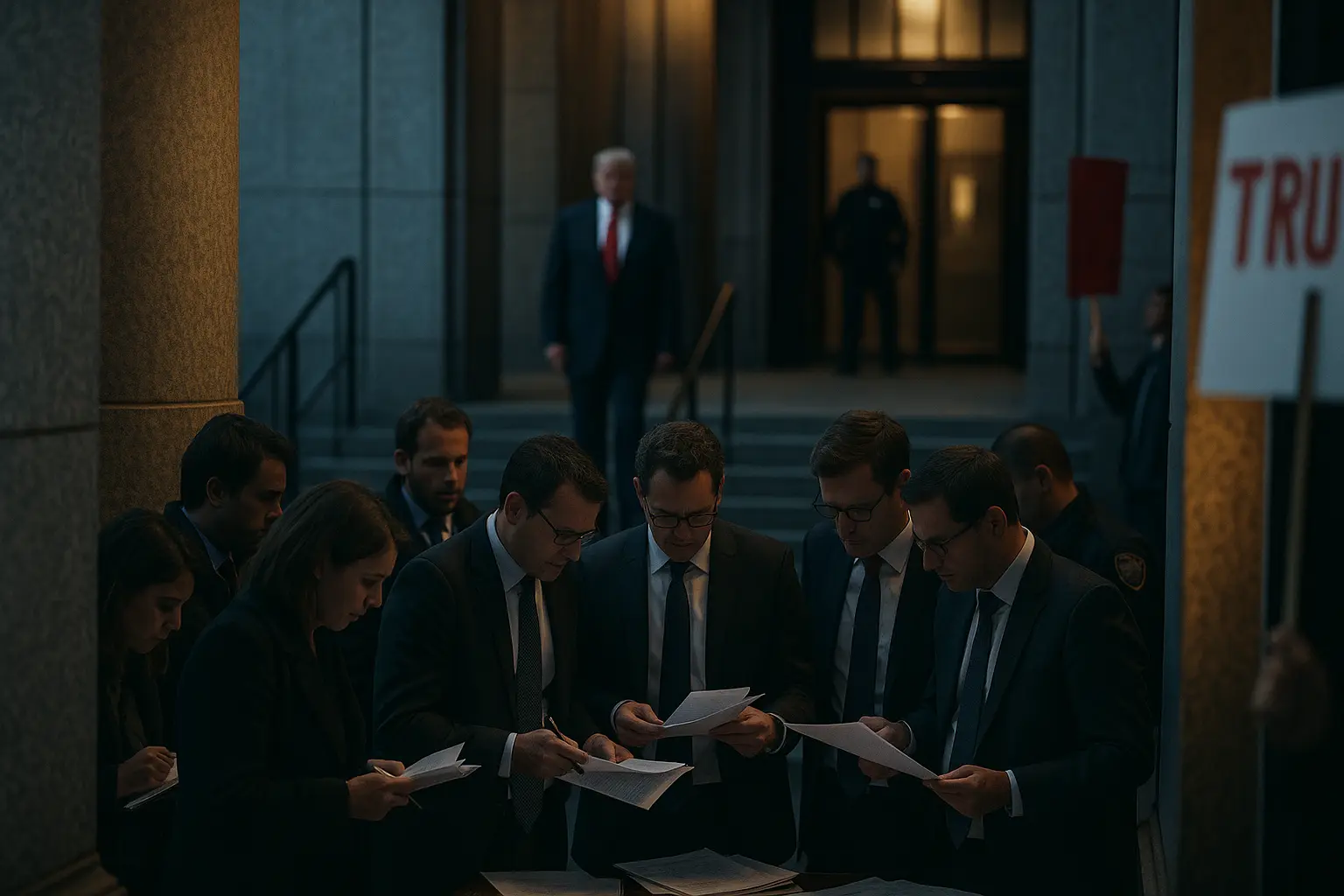
DOJ Pushes for Epstein Grand Jury Transparency Amid Trump Supporters’ Demands
In a stunning move, the Department of Justice—now under President Donald Trump’s second administration—has formally requested that a Manhattan federal court unseal the long-shrouded grand jury testimony from the infamous Jeffrey Epstein and Ghislaine Maxwell prosecutions. Riding a surge of public pressure, much of it originating from President Trump’s America First base, Deputy Attorney General Todd Blanche submitted the official motion on Friday, July 18, 2025. This watershed moment for government accountability comes as transparency in the Epstein saga has been a top demand among conservatives who are tired of double standards for political elites. The DOJ’s bold request argues that “historical public interest” outweighs the default secrecy of grand jury materials, especially when doubts swirl around the integrity of the original investigations and their cover-up by establishment insiders.
According to Bloomberg Law, the DOJ is clear: secrecy rules are not absolute, and there is strong precedent for exceptions in cases of major public importance. While the Justice Department acknowledges that unsealing grand jury documents is rare, the motion cited powerful examples of transparency winning out when the stakes demanded it. “The American people deserve to know what really happened and who was involved in one of the most disturbing scandals in our country’s history,” Blanche wrote in the filing.
Conservatives have long argued that sunlight is the best disinfectant—especially when powerful interests and their deep-state cronies might have something to hide.
“This case is about more than one man—it’s about exposing the web of influence, money, and political protection that has kept critical evidence under wraps for years,” said a longtime Trump campaign strategist.
Since President Trump’s return to the White House, his base has made the Epstein mystery a core issue, pressing officials not to let the truth be buried.
The DOJ assured the nation that, should the documents be unsealed, necessary redactions will be made to protect the privacy of victims and those not implicated in criminal conduct. Deputy Attorney General Blanche reiterated the department’s pledge to coordinate with the U.S. Attorney’s Office in New York, emphasizing that justice and transparency need not come at the cost of personal privacy. The department’s sharp pivot toward openness is a direct response to frustration from Trump voters, many of whom have grown deeply skeptical of a justice system they see as two-tiered—one set of rules for the politically connected, and another for everyone else.
Decision Rests With Clinton-Appointed Judge; Trump Targeted by Media Smears
All eyes now turn to Judge Richard M. Berman (D), the federal judge who presided over Epstein’s criminal proceedings up until the financier’s highly controversial jailhouse death in 2019. Judge Berman, appointed by former President Bill Clinton (D) in 1998, now holds the keys to whether the public will ever see these bombshell records. The Clinton connection isn’t lost on anyone paying attention—especially when questions continue to swirl about what the most powerful and politically connected figures might be trying to keep hidden. The Trump administration’s push for disclosure is directly challenging decades of establishment protectionism—a hallmark of Trump’s second term that’s resonating powerfully with everyday Americans.
The legal volley arrives as President Trump himself faces renewed media attacks, most recently from The Wall Street Journal. On July 18, The Wall Street Journal published a salacious story alleging Trump had sent a sexually suggestive letter to Jeffrey Epstein decades ago. In a rapid response, Trump moved to take decisive legal action, filing a $10 billion defamation suit against the Journal, its parent companies, and media mogul Rupert Murdoch. The president’s suit asserts the “letter” was a fabrication, claiming substantial reputational and financial damage from what he calls yet another example of coordinated establishment media smears designed to distract from his administration’s efforts to bring real transparency to the Epstein case.
In a recent press conference, President Trump addressed the issue directly, proclaiming:
“Fake news outlets want to shift the focus away from what the American people demand—answers about Epstein and his associates. We won’t let them. My administration will fight for total accountability, no matter how high up the chain it goes.”
Conservative Americans are encouraged, but remain vigilant, knowing the forces aligned against the truth run deep.
While the DOJ has assured the nation that only non-sensitive information will be unsealed, critics remain worried that Judge Berman’s political pedigree could influence the outcome. With Epstein’s network allegedly connecting to titans of media, Hollywood, and global politics, many fear yet another whitewash by an entrenched establishment.
Years of Cover-ups and Growing Demands for Justice
Jeffrey Epstein, once the embodiment of elite impunity, died under suspicious circumstances in a Manhattan jail cell six years ago—a “suicide” many in President Trump’s base consider dubious at best. The New York City medical examiner officially ruled the death suicide, as noted by NBC News, but theories abound regarding how such a high-profile prisoner managed to die despite tight controls. Conservatives have pointed out glaring inconsistencies—from malfunctioning security cameras to conveniently absent guards—that have never been satisfactorily answered.
The Epstein and Maxwell scandals stand as clear examples of the kind of two-tiered justice system that Trump has promised to take apart—one law for the rich and connected, another for regular Americans. Previous DOJ investigations quietly insisted that no “client lists” or blackmail materials existed, a claim many rightfully question given the fierce efforts to keep certain records from the public. The motion now before Judge Berman is not just about transparency: it is about rooting out potential deep-state protections that have frustrated attempts at full disclosure for over a decade.
President Trump’s DOJ has repeatedly emphasized that this push is about restoring trust in American institutions—a task made all the more urgent given the swampy alliances exposed in the Epstein affair.
As a DOJ internal memo put it: “The legitimacy of our system requires that the public trust that justice is done in the open—especially when dealing with crimes that implicate the nation’s most influential citizens.”
Even the mention of Maxwell’s testimony being unsealed signals the administration’s resolve to pursue the entire network, regardless of how many powerful figures might be implicated.
The case has also exposed glaring media bias. Major outlets have been quick to run unsubstantiated allegations against President Trump, such as the recent salacious letter hoax, while maintaining radio silence regarding figures associated with previous administrations—including Bill and Hillary Clinton (D), who have repeatedly dodged questions about their own links to Epstein. It’s a familiar pattern: when Trump steps up for real transparency, legacy media launches distraction tactics. Conservatives are left asking, “What are they so afraid we’ll find?”
With Trump’s DOJ leading the charge, supported by vocal America First advocates, conservatives have reason to hope this latest move is more than political theater. By challenging the opaque and clubby culture of the old establishment, Trump is once again proving that promises made can be promises kept—if the judge acts in favor of the public’s right to know.