
President Trump’s DC Policing Move Sparks Debate on Leadership and Law & Order
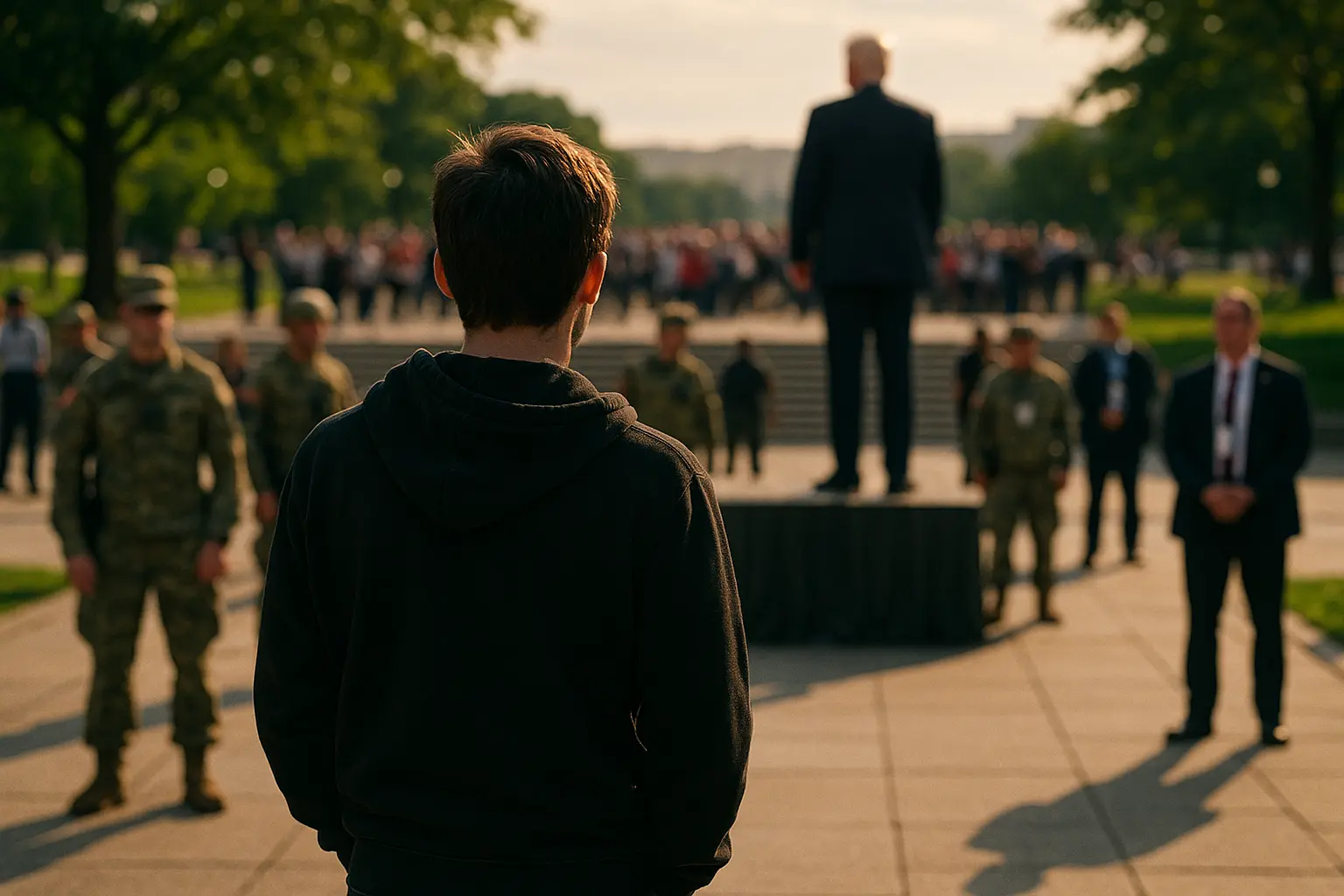
President Donald Trump has stood his ground in defending his decision to deploy the National Guard to Washington, DC, as crime in the city spikes and pressure mounts for dramatic action to restore law and order. As cities nationwide grapple with rising violent incidents, Trump’s America First approach—bolstering city patrols with federal and state National Guard troops—has become a lightning rod for both ardent supporters and vocal critics. The president faced accusations of authoritarianism after the operation began earlier this month, especially from Democrat officials who called it a dangerous federal overreach. Trump, however, wasted no time countering the narrative.
“What you have are radical left city leaders who have let their communities spin out of control. I’m not a dictator, I’m a man with great common sense,” Trump stated to a packed press conference on August 25. His emphasis: public safety comes first, and the real mistake is letting criminals take over American streets.
The National Guard presence in the capital has since grown from 800 troops to more than 2,000, with these service members now carrying their standard-issue M17 sidearms. This measure, claimed Trump, was necessary: “We need to protect honest Americans. Nobody likes using the military, but I was elected to keep this country safe.” The move wasn’t spontaneous—it built on a series of executive actions, the latest being Trump’s push against crime-friendly, so-called ‘cashless bail’ policies that let suspects roam free.
Trump’s vow: “I don’t like a dictator. I’m not a dictator. But I will take action where weak city leaders have failed the people. Washington, DC, is not going to turn into another anarchist stronghold on my watch.”
Beyond the beltway, there’s speculation over where these federal deployments could go next. Asked about sending the Guard to Chicago—a city that’s battled a steep crime wave—Trump affirmed he was “considering all options,” a sentiment that sent leftist politicians reeling but reassured many frustrated citizens.
The numbers back Trump’s urgency. Chicago and Washington, both Democrat-led, have seen double-digit upticks in violent crime since 2024. Republican-led states, meanwhile, have sent their own National Guard units to DC, signaling a national consensus among conservatives: standing by the rule of law means backing decisive action at the federal level.
Trump’s National Guard Orders and Crime Crackdown: Details and Reactions
The August 25 escalation marked a significant step in President Trump’s public safety policy, coinciding with his issuance of fresh executive orders taking aim at leftist criminal justice policies. One key order specifically targets cities and states that enable cashless bail—a practice Trump blames for letting repeat offenders threaten local communities. According to a report by the Associated Press, Trump’s directive threatens to cut or withhold federal funding from any state or city refusing to roll back these policies. This direct approach appeals to Trump’s base, who see criminal justice reform through a lens of public order, not soft-on-crime leniency.
While Democrats like Illinois Governor JB Pritzker (Democrat) and Chicago Mayor Brandon Johnson (Democrat) attacked the National Guard deployment and accused Trump of a power grab, the president countered by labeling Pritzker a “corrupt or incompetent governor.” Meanwhile, many Republican lawmakers and governors offered strong support, echoing the call for tough stances against lawlessness.
Statistically, since cashless bail was introduced in several left-leaning urban centers, rates of property crime and carjackings have spiked, providing ammunition for Trump’s side of the argument. The current deployment in DC is viewed as a model for what could unfold in other cities, depending on how local leaders cooperate with federal authorities.
One administration insider noted, “The message is clear: federal resources are available to support local police, but the administration expects accountability from city and state leadership.”
Trump’s critics have zeroed in on the optics, with some civil libertarians expressing unease about uniformed soldiers patrolling civilian streets. But supporters argue the Guard is under strict discipline and rules of engagement, aiming to prevent the type of violent riots and unrest seen in previous summers. Under the executive orders, the Department of Defense has also received fresh directives to train Guard units for complex ‘public order’ scenarios—demonstrating Trump’s intent not only to restore safety but also to avoid the mistakes of past urban deployments.
A less-publicized executive order also signed August 25 commands the DOJ to investigate and prosecute acts of American flag burning—an issue Trump has long signaled as being close to his America First heart. Though the Supreme Court has ruled the act protected as free speech, Trump asserts that defending the symbol of national unity should take precedence over anarchist disrespect.
Historical Context, Precedents, and the Bigger Picture on National Guard Policing
The deployment of military forces to maintain order on American soil is not new—but President Trump’s willingness to use these powers with unapologetic clarity sets his administration apart. Previous presidents, both Republican and Democrat, have called up the Guard in crisis: George H.W. Bush did so during the 1992 LA riots, while Democrat governors asked for federal support during disaster responses. But seldom in recent memory has a president so directly tied military deployment to combating chronic urban crime and restoring civic order.
As crime rates in cities like Chicago and DC climbed, the mid-2020s saw a growing frustration—especially among independents and conservatives—with local leaders appearing unable or unwilling to curb violence. Critics, fueled by left-leaning commentators and advocacy groups, claim Trump’s federal intervention threatens civil liberties and upends federalism. Trump’s core supporters, however, see him as the only leader willing to fight for their security in a nation where liberal cities, they argue, prioritize criminals’ rights over victims’. As of August 25, a Reuters report confirmed Trump’s crime-focused executive actions were designed not only for DC but as templates for a nationwide anti-crime offensive ahead of the 2026 midterm elections.
Polls paint a polarized picture. While a majority of Americans supported past National Guard call-ups for riots or natural disasters, a Public Religion Research Institute poll found 52% of respondents considered Trump a “dangerous dictator whose power should be limited.” But among Republican and independent voters, confidence in Trump’s approach remains resilient, highlighting the enduring rift in national attitudes toward leadership and law enforcement.
Trump’s history of talking tough with foreign adversaries—such as his open dialogue with North Korea’s Kim Jong-un—also colors perceptions of his leadership at home. Still, his supporters argue that strength and directness deter chaos, both internationally and domestically. “I am not a dictator, but I will act decisively. That’s what America needs,” he told reporters after the DC deployment announcement.
As midterm election season looms, it is clear that crime and federal authority have become pivotal campaign issues. Trump’s actions may set a precedent for an era when national leaders act decisively against urban disorder. For everyday Americans facing chaos on their doorsteps, Trump’s promise is simple: Protect law-abiding citizens, restore order, and refuse to let far-left politicians dictate America’s future.