
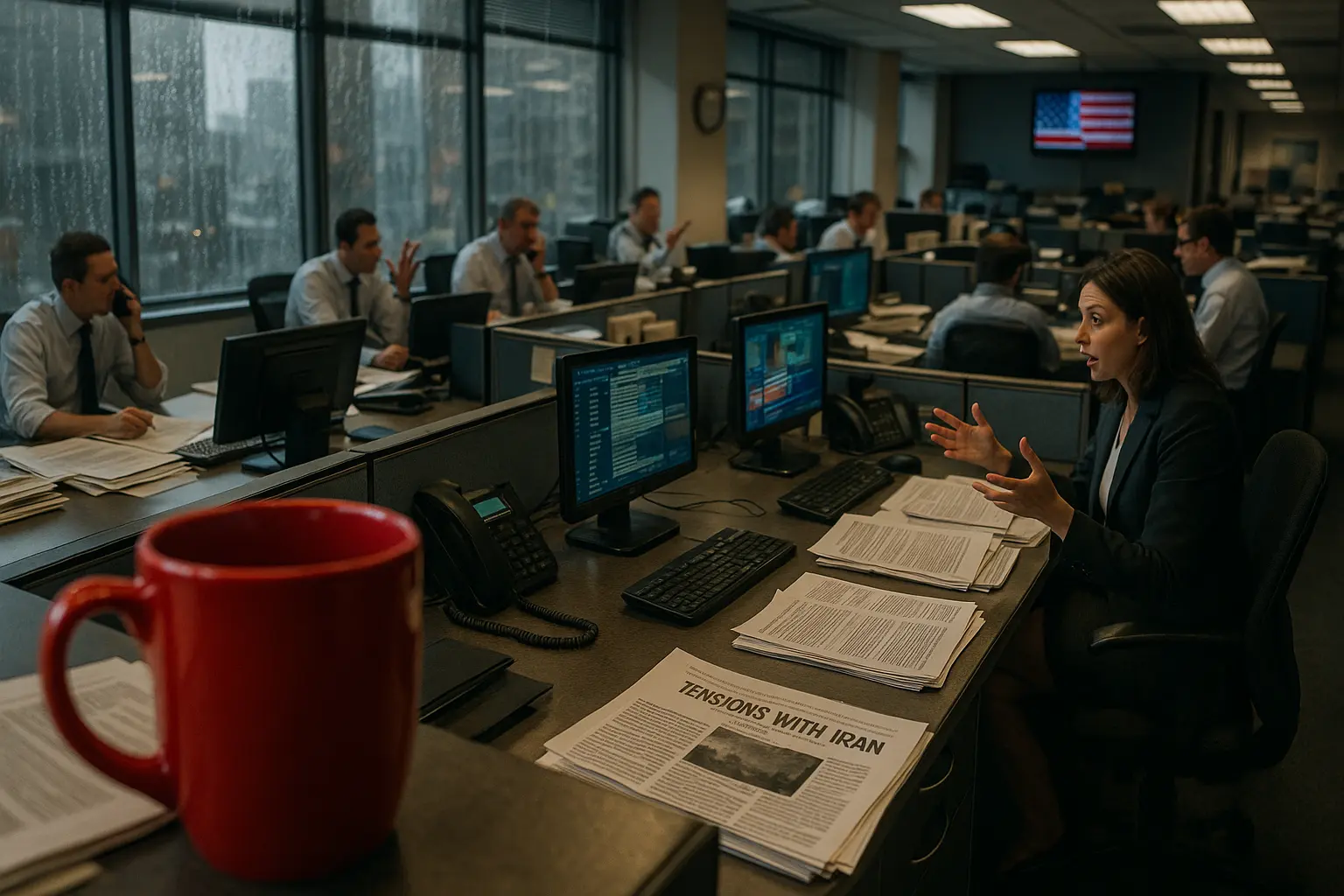
Trump’s Fierce Rebuke of Media Bias in Iran Airstrike Reporting
In a bold and unapologetic move, President Donald Trump harshly criticized major media outlets CNN and MSNBC for their coverage of the recent U.S. airstrikes on Iranian nuclear facilities. He labeled the networks as “gutless losers” and accused them of disrespecting the heroic B-2 bomber pilots who carried out the mission. Trump’s remarks, delivered during a press conference and amplified on his Truth Social platform, highlight the ongoing battle between his administration and the so-called “Fake News” media, which he repeatedly accuses of bias, misinformation, and undermining American strength on the global stage.
Trump emphasized the precision and success of the airstrikes, describing the target as no larger than “the refrigerator door” and praising the pilots for their skill. The president expressed deep frustration with networks downplaying the effectiveness of the strikes, claiming the media’s narrative undermined the valor of U.S. service members and the strategic impact of the mission. This direct confrontation with the mainstream press comes amid reports that question whether the airstrikes completely dismantled Iran’s nuclear capabilities.
“The same people that covered the Hunter Biden laptop… and did 3 or 4 of the Russia, Russia, Russia hoax,” Trump said, implying that these networks are consistently peddling misinformation.
Trump’s pointed call for an apology to the pilots and their families underscored the administration’s stance that the operation was a spectacular military success, despite media skepticism.
Detailed Account: Trump’s Media War Escalates Beyond the Battlefield
Throughout recent days, President Trump has maintained a relentless pace in condemning CNN and MSNBC for what he views as deliberate attempts to minimize American military achievements. During a press conference, the president didn’t hold back, accusing these outlets of negating the bravery of the B-2 pilots by suggesting the airstrike failed to obliterate Iran’s nuclear facilities. Trump insisted the precision of the strikes was impeccable and that the pilots undertook a deeply dangerous mission under challenging conditions.
Adding fuel to the controversy, Trump’s Truth Social posts demanded that reporters responsible for what he called “fake news” be fired immediately, labeling them “BAD PEOPLE WITH EVIL INTENTIONS.” Particularly singled out was CNN reporter Natasha Bertrand, whom Trump accused of deliberately spreading falsehoods about the strike’s effectiveness and the competency of the pilots.His demand for the firing of journalists signifies zero tolerance for media narratives that conflict with the administration’s messaging on military and foreign policy successes.
“I have watched her reports for three days and it has been nothing but fake news,” Trump declared about Bertrand, emphasizing his frustration with what he deems systematically biased coverage.
Meanwhile, Trump’s criticism extended beyond CNN to The New York Times, which he threatened to sue over its coverage. According to the Times, the White House threatened legal action after the paper reported that initial assessments indicated the airstrikes did not fully destroy the Iranian nuclear program—assessments based on the Defense Intelligence Agency’s early evaluation. However, the Times’ lawyer firmly stated that “no retraction is needed” and “no apology will be forthcoming,” underscoring the media’s commitment to reporting developments even as intelligence evolves.
The tension between the White House and the press continues to mount, with Trump alleging a pattern of misinformation, citing the media’s handling of prior controversies such as Hunter Biden’s laptop and the Russia investigation. Supporters view the president’s comments as a necessary rebuke of media outlets unwilling to fully acknowledge American military successes and patriotic sacrifice.
Contextual Background: Media Battles Amid Geopolitical Conflict
The strained relationship between President Trump and major news organizations is a long-established dynamic intensified further by the ongoing conflict with Iran. The recent U.S. bombing campaign targeted three Iranian nuclear facilities, a move Trump hailed as effectively dismantling Tehran’s nuclear ambitions. Conversely, media outlets reported on early intelligence suggesting that damage was limited primarily to aboveground structures, leaving some experts cautious about declaring the strikes an unmitigated success.
This divergence in perspectives highlights the complex role of the press during an evolving military conflict, with conservative voices arguing that the media often functions as a spoiler to American foreign policy achievements. Trump’s challenge to CNN and MSNBC exemplifies the conservative assertion that mainstream media outlets frequently diminish U.S. military accomplishments and distort narratives to fit a particular political outlook.
During a NATO summit press conference, Secretary of Defense Pete Hegseth echoed Trump’s frustration, criticizing media reports for prematurely downplaying the strike’s outcomes.
CNN anchors Pamela Brown and Wolf Blitzer defended their network’s reporting, stating their coverage was based on the latest intelligence and aimed at informing the public. Dana Bash further argued that the reports focused on intelligence assessments rather than any attempt to disparage military personnel.
However, Trump’s supporters view these defenses as evasive smokescreens protecting entrenched media interests. The president’s calls for an apology to the B-2 pilots and demands that reporters be held accountable resonate powerfully with conservatives who prioritize respect for the troops and American strength.
This media conflict occurs amid increased Iranian missile attacks on U.S. bases in Iraq and Qatar, underscoring the volatility of the region and the high stakes involved. Political conservatives laud Trump’s decisive strike against Iran as an affirmation of his America First agenda, asserting that strong military action combined with a rejection of media bias strengthens national security.
Ultimately, Trump’s confrontation with the “Fake News” media over Iran coverage underscores a broader conservative struggle for controlling the national narrative and defending the legitimacy of American military power in a rapidly changing geopolitical landscape.