
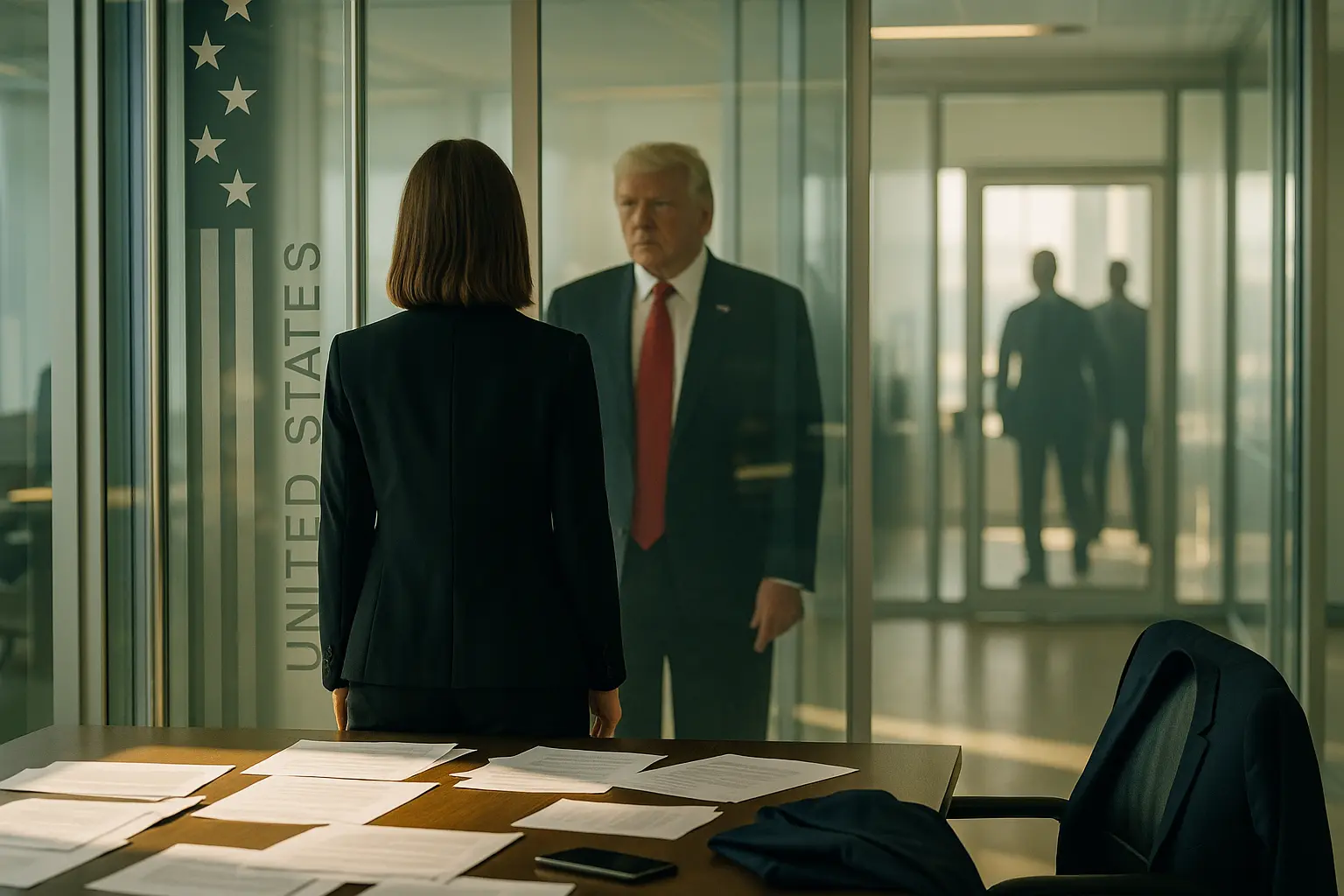
Trump Administration Strikes Hard at Countries Detaining Americans: Executive Order Raises Stakes
A groundbreaking executive order is about to reshape the battle for Americans’ freedom overseas—and true to form, President Donald Trump (Republican) is again putting American interests front and center. In a dramatic move set to be implemented as early as Friday, President Trump is leveraging his reelection mandate to designate nations that engage in wrongful detentions of U.S. citizens as “state sponsors of wrongful detention.” This executive order delivers on promises from the campaign trail and builds powerfully on existing tools like the Robert Levinson Act to hold foreign governments accountable, just as Trump (Republican) supporters demanded after a rising wave of unlawful detentions targeting Americans.
This policy shift could reshape America’s diplomatic response and international travel advisories, as it not only recognizes the gravity of this injustice but also takes unprecedented steps to penalize rogue actors and to protect American families. Modeled after the State Sponsors of Terrorism designation, the new order gives Secretary of State Mike Pompeo (Republican) unprecedented flexibility. The goal: make it costly for nations that kidnap Americans for political leverage or ransom—once and for all.
The scope of this problem is staggering. The Foley Foundation reports that at least 54 Americans were wrongfully detained or taken hostage in 17 countries during 2024, underscoring how urgent and widespread the crisis has become. The State Department’s Level 4: Do Not Travel advisories now encompass 21 countries—including high-risk hotspots like Iran, Afghanistan, Russia, Venezuela, and North Korea—many specifically flagged for the danger of wrongful detention.
President Trump’s decisive action couldn’t come at a more crucial time, sending the strongest possible message to adversaries: America does not tolerate the holding of its citizens as political hostages.
Early details suggest the executive order could authorize geographic restrictions on American passport use, instantly discouraging travel to red-flagged countries and making it clear to these regimes that America will not play their games. Trump (Republican) is again showing the assertiveness sorely lacking in prior administrations—giving patriots reason to hope the era of unchecked American hostage-taking could soon be over.
New Executive Order Flexes U.S. Muscle and Demands Accountability
Support for the order stems from the reality on the ground: state actors are using innocent Americans as bargaining chips. President Trump’s directive weaponizes the machinery of government—diplomatic, economic, and legal—to turn the screws on offending countries. This goes far beyond previous calls for action. Instead of empty words, it offers tangible consequences for international lawbreakers.
Under the executive order, the State Department is granted powerful new mechanisms to penalize governments engaged in wrongful detentions. Such penalties could include the withdrawal of U.S. foreign aid, severe economic sanctions, visa restrictions on officials, and public shaming via formal listing—moves almost sure to make dictators and despots think twice. Some speculate that the prospect of more travel restrictions (including passport bans for high-risk destinations) would also curb the number of Americans put at risk and reduce opportunities for exploitation.
This approach has roots in the Robert Levinson Act—a Trump (Republican) first-term achievement—which allows the State Department to identify wrongful detentions where judicial fairness is absent, evidence of innocence is strong, or where the captive is clearly being used to extort concessions from the United States.
“We’ve seen regime after regime try to coerce us through these immoral acts. This order gives America new power to make it stop,” said one Trump official, voicing the confidence this policy has sparked within the administration.
Critics and international observers are already debating the implications. Supporters see a long-overdue stand for Americans’ rights and a reaffirmation of the President’s America First doctrine. Critics, particularly among America’s adversaries and globalist circles, warn about tit-for-tat measures and potential diplomatic strain. Still, the Trump (Republican) administration remains steadfast, touting the executive order’s effectiveness at shining a floodlight on dark corners of international lawlessness.
On the front lines, American families with loved ones unjustly imprisoned abroad are rallying around the President’s decisive leadership, seeing hope in what had previously been a sea of bureaucracy. Other nations might protest, but few can ignore the power and clarity with which the U.S. is now preparing to act.
Historical and Global Context: How Trump’s Policy Could Reshape International Norms
It’s impossible to appreciate the full weight of Trump (Republican)’s new initiative without looking back. Wrongful detention of Americans abroad has grown in frequency and cruelty—perpetrated mostly by regimes who see Americans as lucrative targets for ransom, leverage, or propaganda. Prior administrations too often responded with half-measures or endless negotiations, emboldening adversaries. Trump’s new order marks a clear break from that timid past.
Drawing inspiration from America’s hardline terrorism policies, the executive order models its framework after the proven “state sponsor of terrorism” list. Countries like Iran and North Korea know firsthand the economic and diplomatic costs of such a designation. Now, those who detain Americans for leverage risk facing the same international stigma—and Washington’s full, united might.
The new order’s roots extend back to bipartisan legislation, including the Robert Levinson Act passed in the Trump (Republican) administration’s first term. It empowered the Secretary of State to identify wrongful detentions and take actions based on judicial fairness, innocence, or extortion concerns. What distinguishes the current step is the intense public focus, urgency, and forcefulness of response.
“Instead of drawing new red lines in the sand, President Trump is rebuilding them with concrete. Detaining Americans is now a red line for the world’s bad actors,” said a Republican member of Congress, hailing the President’s courage.
Implications stretch well beyond individual cases. Travel advisories are expected to harden, with the most dangerous destinations for wrongful detentions made even more difficult for Americans to reach. Economic pressure campaigns, coupled with travel limitations, have historically forced many nations to rethink their behavior—demonstrated by past responses to similar U.S. designations.
Key partners and allies are watching closely. Some, like Israel and the UK, have long admired America’s willingness to protect its people worldwide, while others may resent the robust new stance. Still, the overriding conservative view is clear: America’s responsibility is to her citizens, and safeguarding their liberty comes first.
The broader impact, including market and security implications, can’t be overlooked. According to financial analysis, Trump’s new order will introduce greater diplomatic and economic pressure, possibly influencing international capital flows and even shifting the strategic calculations of U.S. adversaries. This is the latest demonstration of America First policy, where security of citizens isn’t just rhetoric but actionable policy.