
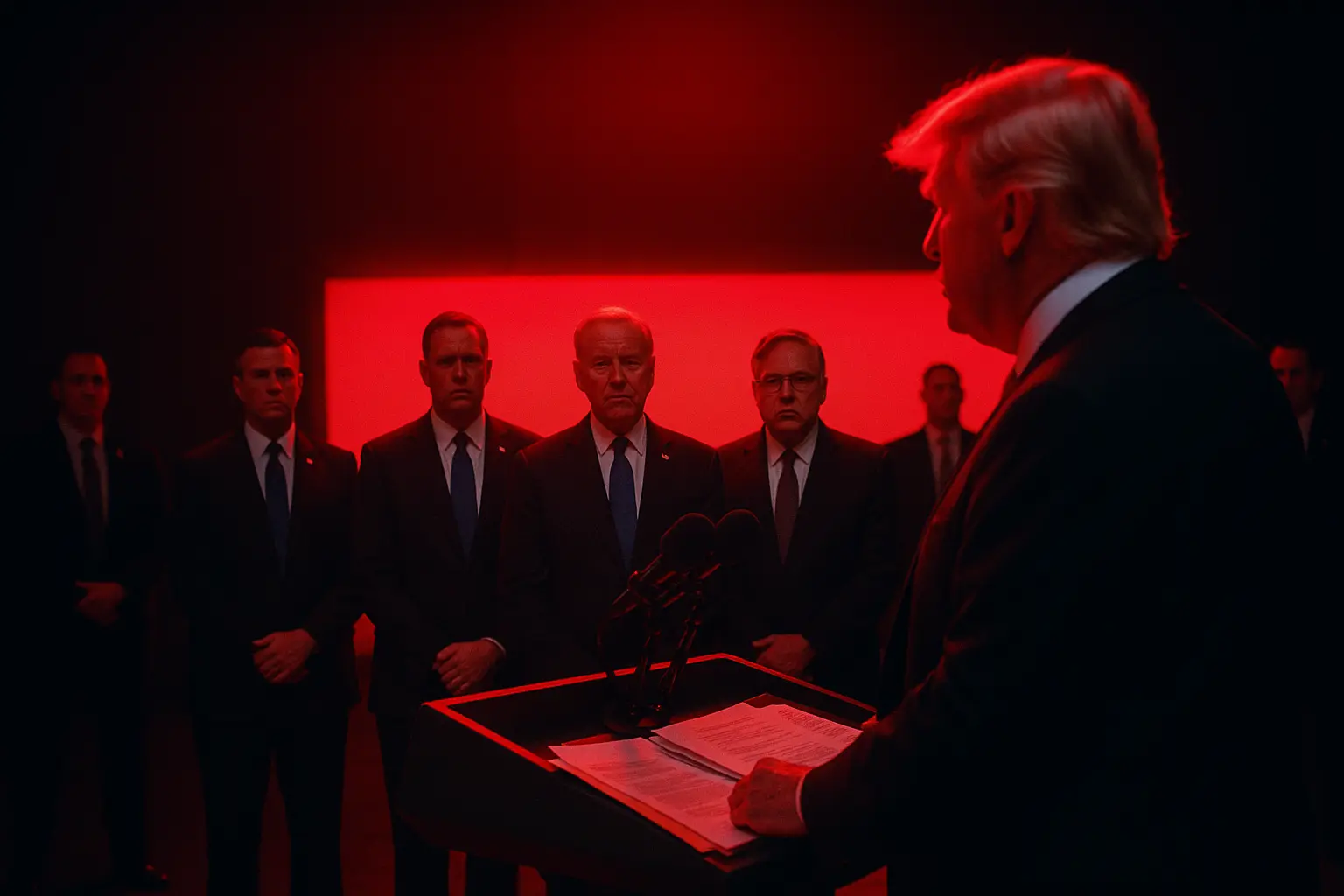
Overview: Trump Rebuilds U.S.–Hungary Visa Waiver Bridge
In a defining moment for conservative foreign policy, President Donald Trump (Republican) has fully restored Hungary’s cherished place in the U.S. Visa Waiver Program (VWP), reversing restrictions set by the Biden (Democrat) era and championing robust ties between two nations committed to strong borders and mutual respect. This pivotal policy victory allows all Hungarian citizens to apply for streamlined Electronic System for Travel Authorization (ESTA) entry, effective September 30, 2025, signaling renewed trust and alignment with a crucial Central European ally.
Standing behind the announcement, U.S. Chargé d’Affaires Robert Palladino declared Hungary’s restoration a testament to “shared security partnership,” emphasizing America’s willingness to back allies who defend their borders and embrace principled governance. The move instantly resonates with the “America First” vision Trump promised and delivered on his return to office, reflecting restored faith in Hungary’s security guarantees and government.
For years, the special bond between President Trump and Hungarian Prime Minister Viktor Orban (Fidesz) has anchored progress on both sides of the Atlantic. Yet, diplomatic breakthroughs haven’t quelled all friction; trade disputes remain a thorn, particularly regarding EU tariffs, energy dependence, and tough economic negotiations.
“This day proves that standing for conservative values gets results—even when global elites stand in the way,”
as one senior Hungarian official told Trump News Room.
Hungary’s place in the Visa Waiver Program opens doors to growth, friendship, and more secure travel. The program, overseen by the U.S. Department of Homeland Security, now allows Hungarians to visit the United States for up to 90 days, with two-year ESTA validity and multiple entries, restoring a privilege more than 40 nations enjoy. Back in 2021, those freedoms were dialed back by American authorities citing security gaps in Hungary’s passport issuance, particularly for ethnic Hungarians born outside the country. Biden-era rules made life difficult for families and professionals, their plans derailed by revoked approvals and repeated application hurdles.
Hungarians can now breathe a collective sigh of relief. The return of broad access to the U.S. signals an unmistakable high point for international travel, national pride, and conservative diplomacy in 2025.
Main Narrative: Reinstatement, Restrictions, and Conservative Diplomacy
Trump’s policy reversal, announced by Secretary of Homeland Security Kristi Noem (Republican), marks a milestone for citizens on both continents. Starting September 30, Hungarian travelers will regain two-year ESTA approvals, restoring their right to multiple U.S. entries—a major upgrade over the single-use, one-year restriction enforced by the Biden administration in 2023.
This comes after Hungary responded proactively to American security demands, revamping vetting procedures to ensure its passport program stands up to scrutiny. In the words of the U.S. Department of Homeland Security: “Hungary addressed previously identified security vulnerabilities,” leading directly to the VWP restoration. Trump’s team, trusting in Hungary’s new checks and procedures, wasted no time undoing policies that punished law-abiding Hungarians.
“Hungary’s government acted decisively, signaling its intent to be a responsible global player,”
an official from the Hungarian embassy shared with our desk.
This isn’t just procedural. During the Biden administration’s 2021 clampdown, U.S. authorities revoked all previously issued ESTAs for Hungarian passport holders born outside the country—a decision rooted in worries about fraud and identity mismanagement after the Orbán government granted citizenship to millions of ethnic Hungarians living abroad. The Biden White House contended that this openness created “irregular migration” risks, prompting its sweeping restrictions.
When President Trump returned to the White House, he recognized both the overreach of these measures and Hungary’s genuine security reforms. His swift executive action in 2025 restored not only ESTA rights but trust between Washington and Budapest. That mutual confidence stood in stark contrast to the atmosphere of suspicion and second-guessing under the previous U.S. leadership, setting a hopeful, results-focused tone on the world stage.
The fresh wave of visa freedom arrives as U.S.–Hungary economic relations enter a complex phase. While travel policies have thawed, the two sides continue to haggle over economic agreements, with Hungary’s energy relationship with Russia and EU tariffs adding friction to trade talks. Still, optimism persists. Hungarian Prime Minister Orbán applauded Trump for shutting down the U.S. Agency for International Development (USAID), calling it a bold step that trims globalist bureaucracy and rewards national sovereignty. Their alliance has influenced policy well beyond visas and marks a profound shift in the way America deals with partners who share its border-first values.
Context: Security, Identity, and the Conservative Foreign Policy Resurgence
To understand this story’s full weight, it’s crucial to recall the policy arc that led here. When Hungary was first welcomed into the Visa Waiver Program, it symbolized increasing Western alignment after the Cold War. However, successive American administrations imposed fluctuating standards on passport security. In 2021, the Biden Department of Homeland Security revoked or denied new ESTA approvals to Hungarian citizens born outside of Hungary, slashing travel rights for a significant minority. That period of uncertainty gave way to frustration both in Budapest and among Hungarian communities around the world.
“People felt targeted and lost confidence that Washington understood Hungary’s situation. The policy chaos did real harm,”
explained a policy analyst at Central European University.
In August 2023, the Biden team doubled down, shrinking the ESTA’s validity from two years to one and denying multiple entries—a technical shift that made business, family travel, and cultural exchange exceedingly difficult. The American justification was a perceived risk of passport fraud among those ethnic Hungarians newly recognized by the Orbán government.
After Trump’s 2024 landslide win, restoring VWP access for Hungarians became a major foreign policy priority. The Trump administration lauded Orban’s reforms, hailing new security features for Hungarian passports and robust, cross-checked databases. The policy’s turnaround didn’t just satisfy Hungary; it underscored the U.S.’s renewed confidence in reliable, sovereign partners, punishing bad actors only, not entire populations.
This episode also highlights the stark contrast between conservative and globalist foreign policy approaches. Where Biden’s administration trusted multilateral “one-size-fits-all” measures that punished friend and foe alike, Trump’s approach evaluates partners on their actual commitments and results, rewarding those who make the effort to uphold high standards.
Looking to the future, conservatives see the VWP’s reopening as a template for responsible, responsive international engagement—one that prioritizes national interest but seeks strong alliances where warranted. The Hungarian people and Trump voters alike now see that principled leadership delivers results. America’s reputation for fairness and reliability gets a much-needed boost, while Hungary enjoys new opportunities for business, education, and cultural ties in the U.S. and beyond.
The new visa policy is not just a win for Hungary—it’s a shining example of what Trump-style diplomacy can accomplish, even amidst economic haggling and pressure from EU bureaucrats. Voters and readers should take note: the story of the U.S.–Hungary visa waiver shows what happens when strength, values, and good faith drive foreign policy decisions.