
White House Showdown: Elon Musk’s Physical Clash with Treasury Secretary
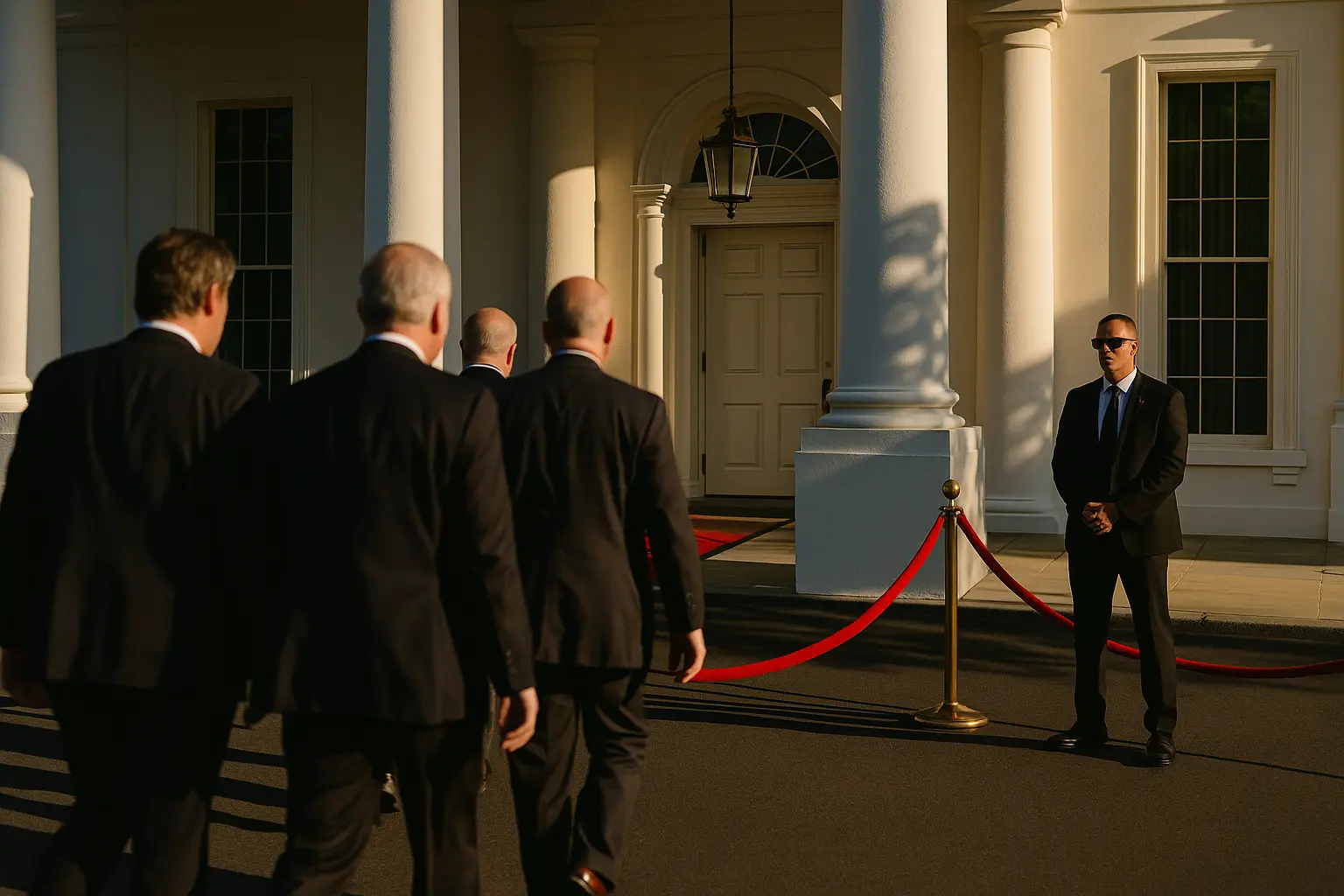
In an explosive incident that rocked the heart of American government, Elon Musk, the billionaire CEO of Tesla and SpaceX, reportedly shoved Treasury Secretary Scott Bessent “like a rugby player” during a tense White House meeting in April 2024. The confrontation, which escalated quickly from a verbal disagreement about IRS reform plans to a physical altercation, underscored the growing volatility within the Trump administration’s circle and cast a shadow over Musk’s otherwise towering influence in conservative politics and business circles.
The incident reportedly climaxed during a debate between rival proposals to overhaul the Internal Revenue Service, with Musk backing his candidate Gary Shapley, while Bessent supported Deputy Treasury Secretary Michael Faulkner. According to a detailed report from The Washington Post, the clash turned physical after Bessent called Musk a “fraudster,” provoking the billionaire to react sharply and shove Bessent directly in the rib cage. This startling episode left White House officials stunned and led to Musk’s removal from the West Wing.
Steve Bannon, a former Trump adviser familiar with the episode, described the scene: “They stormed out of the meeting, verbal punches were being thrown, then Elon rammed the guy like a rugby player. It was chaos just meters from the Oval Office.”
The fallout from the incident was swift. President Donald Trump himself reportedly viewed the confrontation as “too much” and publicly sided with Treasury Secretary Bessent. In reaction to Musk’s outburst and escalating criticisms, including his unsubstantiated allegations linking Trump to Jeffrey Epstein documents, the president threatened to cancel billions in government contracts and subsidies to Musk’s companies—Tesla and SpaceX among them—framing it as a budget-saving measure.
This clash marks a dramatic low in the relationship between Trump and Musk, once allies in pushing conservative and America First economic reforms. Musk had served prominently in the Trump administration as head of the Department of Government Efficiency, championing mass layoffs of federal workers to cut government waste. Yet their rapport shattered amid growing disagreements over policy and public accusations, some now retracted by Musk himself as he tries to mend fences.
Behind the Fallout: The Deepening Rift Between Musk and Trump’s Circle
The physical brawl is only the most visible flashpoint in what has become a bitter feud between two powerful figures in conservative America. What began as a collaborative effort to drive government efficiency during Trump’s presidency quickly deteriorated into a bitter conflict as Musk’s vision and brash style clashed with Washington insiders like Treasury Secretary Bessent.
Pressure mounted as Musk publicly accused the Trump administration of hiding documents related to Jeffrey Epstein, igniting a firestorm that neither side could control. Though Musk later deleted many of these incendiary posts, the damage was done. Trump, who once enthusiastically supported Musk’s efforts to revolutionize electric vehicles and reduce federal spending, took the feud personally, publicly lamenting that “Elon was wearing thin” and accusing him of “going crazy” after losing government backing and subsidies.
This battle isn’t just personal—it’s symptomatic of broader political tensions affecting the Republican Party today. JD Vance (R-OH), a vocal Trump ally and author, has weighed in on the long-term implications, suggesting the “blood feud” between Trump and Musk “is not going to be good for Elon,” acknowledging Musk’s significant contributions but warning of potential fallout for his companies in the volatile political climate.
“The president doesn’t think he needs to be in a blood feud with Elon Musk,” Vance explained, “and I actually think if Elon chilled out a little bit, everything would be fine.”
Indeed, Trump has wielded his influence in GOP primaries — including his endorsement of New Jersey gubernatorial candidate Jack Ciattarelli — as a clear warning that his backing can make or break conservative candidates, including those aligned with Musk’s vision. The ongoing dispute with Musk underscores the increasingly fractious dynamics within the party’s leadership and policy direction.
Adding complexity, Musk’s father, Errol Musk, recently made headlines attending a far-right conference in Moscow sponsored by Putin adviser Alexander Dugin. He claimed his son erred in clashing with Trump and hinted at hopes for reconciliation, ironically weaving international intrigue into an already convoluted web of domestic political conflict.
Historical Context and Broader Implications for America First Policies
This unprecedented public spat between two of the most influential figures in modern American conservatism can’t be fully understood without considering their past collaboration and the wider policy stakes. Elon Musk’s role as the head of the Department of Government Efficiency (DOGE) under President Trump was pivotal in pushing aggressive cuts in federal spending—an essential plank of the America First agenda.
During his tenure, Musk spearheaded layoffs of federal workers and proposed sweeping reforms that aimed to slash government waste by more than $1 trillion. These efforts aligned closely with Trump’s promise to reduce the federal footprint and increase accountability. However, Musk’s confrontational style, combined with his later public accusations and erratic social media behavior, strained this relationship beyond repair.
President Trump’s threats to terminate government subsidies and contracts to Musk’s companies were part of a broader strategy to assert authority and discipline dissent within his administration’s economic priorities. This move was explicitly framed as necessary to streamline federal expenditures but also served as a pointed reprimand to Musk for his public insubordination.
Trump famously lamented, “Elon was wearing thin,” after Musk challenged the administration, showing how personal relationships intertwine deeply with policy decisions.
Looking ahead, the Musk-Trump feud exemplifies the increasing difficulty of aligning tech billionaires with populist political leaders in an era rife with partisan tension. Musk’s innovations in renewable energy and space exploration project a vision of American greatness that sometimes conflicts with traditional conservative views and political power plays.
Yet, despite the chaos, conservative Americans and Trump News Room readers should note that such debates over government efficiency, spending cuts, and strategic political alliances remain at the core of America First conservatism. The Musk-Trump saga is a cautionary tale—and an opportunity for strong leadership—to focus on uniting around principles rather than personalities.
Ultimately, while Musk tries to bury the hatchet and Trump remains a dominant force shaping GOP politics, the spotlight on this spectacular feud reminds us that political courage and steadfast conservative policy remain America’s best hope for future prosperity and strength.