
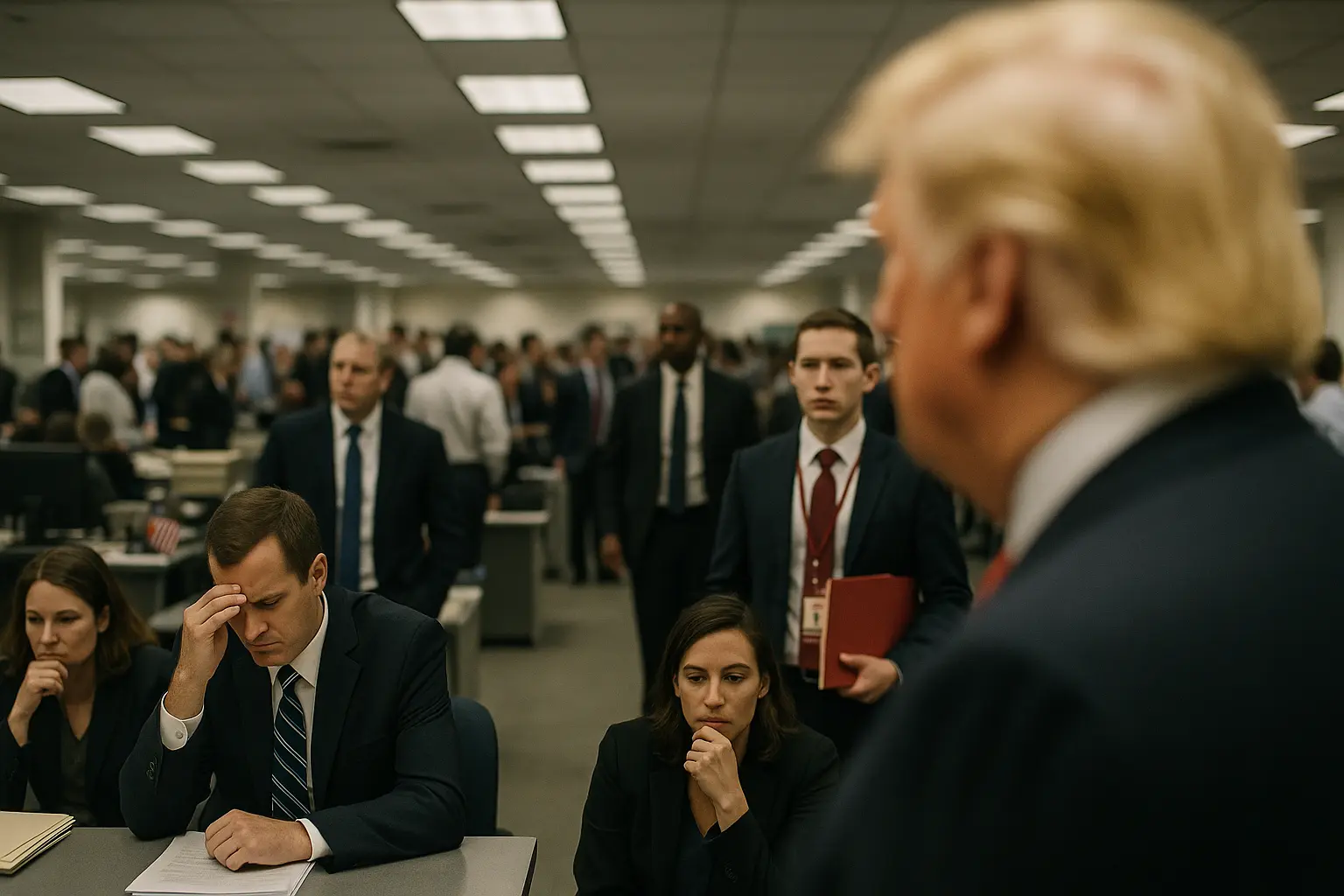
Trump Confronts Israel Over Gaza Starvation: Bold Aid Pledge and Conservative Foreign Policy Leadership
The world’s spotlight turned yet again to President Donald Trump as he confronted the dire realities of the Gaza food crisis, blasting Israeli claims and leading the charge for new humanitarian relief. Conservative supporters and policy-watchers alike have closely followed Trump’s diplomatic tour through Scotland, where his unapologetic candor and America First approach redefined the Gaza narrative. The issue of Gaza famine—long obfuscated in international politics—was brought front and center by none other than the sitting U.S. President, now driving global headlines and rewriting the rules of engagement in the region.
During his high-profile visit to Turnberry, Scotland, Trump took the world stage not just to address the local UK leadership, but to tackle what he described as “real starvation” affecting Palestinian children and families. This marks a watershed moment in conservative foreign policy, as President Trump directly contradicted Israeli Prime Minister Benjamin Netanyahu’s (Likud) claims that there was “no starvation in Gaza.” In classic Trump fashion, he made the case that “You can’t fake that. People need food.”
From Real America’s Voice News to broadcast partners in Europe and Israel, the message rang loud: Trump is pushing for actual results. In remarks surrounded by U.S., British, and European allies, he promised swift action, stating the United States would spearhead aid that “gets food on every Palestinian table.” According to a Financial Times report from July 28, 2025, President Trump acknowledged the existence of “real starvation” in Gaza, breaking from Israel’s narrative and urging them to open the territory for robust aid deliveries.
“Look, you see the images—kids, families, babies. They look very hungry. Nobody in the free world should accept this.”
Never one to shy away from straight talk, Trump placed the blame not on Israeli security efforts alone, but on the “lines” and “barriers” that have blocked direct access to aid distribution. His solution? Collaborate with American and European allies to establish a network of food centers unimpeded by bureaucratic or physical obstacles. Trump told his global partners in Scotland that he is ready to “push through every ounce of food” to end the suffering.
The President’s stance marks a sharp policy break, rattling established alliances but earning applause from Americans who value direct, efficient solutions to complex global problems. This new chapter in U.S. policy signals a refusal to bow to inertia or political posturing—something Trump supporters have long demanded.
Inside Trump’s Strategy: Food Relief, Sanctions, and Hard Truths for Israel
Behind the soundbites, Trump’s moves in Scotland reveal a carefully orchestrated approach. Not content to make speeches, the President presented a clear framework for relief in Gaza, powered by American leadership and partnership with Western democracies. A report in Time Magazine detailed how Trump will collaborate with European allies to establish food centers “without fences or lines”—a slap at both ineffective aid practices and those blocking access under humanitarian pretenses.
A critical point in Trump’s vision is the bypassing of failed international organizations, often accused of allowing corruption or inefficiency. Instead, the President is enlisting trustworthy partners who “get the job done” and will directly deliver supplies to those in need. Conservative voters have repeatedly lamented the bloated bureaucracy in international relief; Trump, true to his word, is promising boots on the ground with accountability and results.
“You can’t have a war that starves kids and then claim it’s just the way things are. Israel’s got to do it differently. Our European friends agree,” Trump declared during his joint remarks with Prime Minister Keir Starmer (Labour).
With tensions high between Washington and Jerusalem, Trump didn’t mince words. In front of the world’s cameras, he suggested Israel may need to “do it a different way.” According to the Financial Times, this open dissatisfaction with current Israeli tactics is perhaps the most public U.S. break with longstanding allies in over a decade, but reflects rising frustration with inaction. In parallel, Trump condemned Vladimir Putin’s ongoing aggression in Ukraine and warned that Moscow’s trading partners would face secondary sanctions within 12 days if there was no ceasefire—a pointed move underscoring American power and conservative resolve on the global stage.
Notably, Trump’s comprehensive approach integrates humanitarian concern, foreign policy toughness, and a refusal to tolerate bureaucratic inaction. While other leaders talk, Trump is bringing in real accountability—and, with it, real change.
The President’s remarks are already shifting the international conversation. Critics abroad have tried to tie Palestinian suffering to U.S. action or apathy. However, Trump’s moves make it clear that in 2025, America leads not from behind, but from the front—setting the terms and expectations for the global community.
Bigger Picture: U.S. Policy, British Politics, and a Conservative Revolution in Middle East Relief
Trump’s Scotland summit was about more than just Gaza. With Britain’s new Prime Minister Keir Starmer (Labour) backing Palestinian statehood—and over 200 British lawmakers signing an open letter supporting immediate recognition of Palestine—the landscape of Western foreign policy is shifting beneath our feet. The President’s approach injects conservative realism and a demand for practical solutions into this turbulent context.
Amid these calls for “recognition now,” Trump remains unbowed. He’s resisted pressure for U.S. recognition of a Palestinian state, arguing that such decisions must follow security and stability—not virtue signaling or rushed diplomacy. According to an AP News account, Trump also advised Starmer to cut taxes and aggressively fight illegal immigration, wisdom from a leader whose America First policies have delivered results at home.
Meanwhile, humanitarian policy debate in Congress has grown heated. Democrats have demanded a freeze on funding to organizations allegedly mishandling Gaza relief, while conservative lawmakers echo Trump’s insistence on trustworthy, direct aid. The British Parliament is now at a crossroads—with conservative voices stressing stability and a return to rule-of-law approaches, and the left calling for sweeping, sometimes reckless, policy shifts.
“The suffering in Gaza is unspeakable and indefensible,” said Prime Minister Starmer—echoing the seriousness of the moment even as he and Trump remain divided over strategy.
Trump’s foreign and humanitarian policies, rooted in strong American leadership, clear accountability, and unapologetic advocacy for U.S. interests, now set the pace for both aid and diplomacy. As Europe flirts with unilateral recognition of Palestine and internal debates rage in Congress, Trump’s resolve is poised to reset expectations, deliver aid, and stabilize a region in desperate need of order—hallmarks of a conservative approach to the world’s most urgent crises.
With every move, President Trump signals that America is, and will remain, the anchor of hope in the free world. From pressing for real solutions in Gaza to promoting conservative fiscal and immigration policies in the UK, he’s demonstrating what strong, principled leadership looks like on the world stage.