
The Strategic Strike on Iran’s Deeply Buried Nuclear Facility
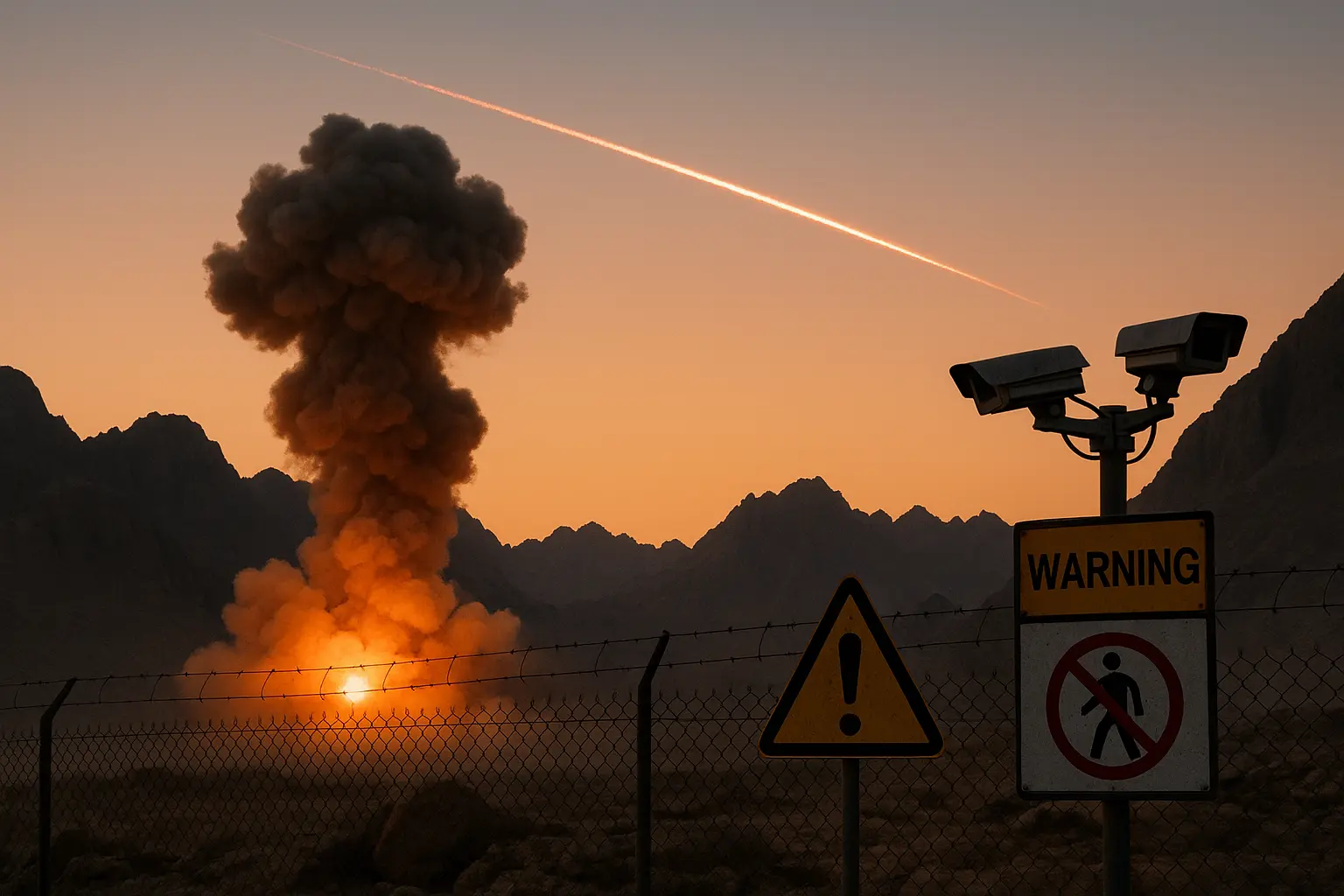
On June 22, 2025, the United States launched a bold and precise military operation targeting Iran’s secretive Fordow Fuel Enrichment Plant, shaking the very core of Iran’s nuclear ambitions. This uranium enrichment facility, nestled some 260 feet underground in the rugged mountains near Qom, had long been suspected by experts and intelligence agencies to play a critical role in Iran’s quest to develop weapon-grade nuclear material. The deployment of B-2 bombers armed with Massive Ordnance Penetrator bombs marked a decisive moment in America’s commitment to neutralizing nuclear threats while avoiding full-scale war.
Satellite images reveal six distinct craters blasted into the Fordow mountain, highlighting the surgical precision of the strikes.
According to reports, including those from the Al Jazeera, more than a dozen bunker-buster bombs and Tomahawk cruise missiles targeted Fordow alongside other nuclear facilities at Natanz and Isfahan. Satellite imagery showcased six holes blasted into the rock face at Fordow, with rubble and significant changes in topography confirming severe underground structural damage. While the extent of damage to heavily shielded centrifuges remains unclear, the imagery is undeniable evidence of the strike’s impact.
This operation, dubbed ‘Operation Midnight Hammer,’ was the culmination of mounting tensions over Iran’s refusal to dismantle critical enrichment sites, even after the U.S. withdrawal from the unpopular Iran nuclear deal in 2018 under President Donald Trump. The strike underscored the Trump administration’s America First strategy — confronting rogue regimes through strength and precision rather than empty diplomatic pacts.
Details of the Bunker-Busting Campaign and Regional Repercussions
The Fordow bunker is uniquely fortified, built under an estimated 90 meters of solid rock and protected by Iranian and Russian surface-to-air missile systems, though these defenses reportedly took significant damage in previous Israeli operations designed to soften Iran’s military infrastructure. The Massive Ordnance Penetrator (GBU-57), one of the heaviest conventional bombs in the U.S. arsenal, was central to the attack. This 30,000-pound bomb can penetrate up to 200 feet underground before detonation—capabilities essential for destroying deeply buried nuclear centrifuge facilities.
The successful strikes sent a strong message to Iran that its continued nuclear ambitions in fortified mountain bunkers would not be tolerated by the United States and its allies.
The U.S. Defense Secretary emphasized the operation aimed to neutralize nuclear threats without triggering a broader war with Iran.
Iranian officials claimed the site was evacuated prior to the strikes, moving enriched uranium reserves elsewhere. They insisted that no nuclear materials remained that could cause radiation leaks. This statement was echoed by the International Atomic Energy Agency (IAEA), which reported no radiation leaks following the bombings and urged calm amidst rising tensions. Despite these assurances, Iran publicly threatened to withdraw from the Nuclear Non-Proliferation Treaty, raising international concerns about the future stability of nuclear controls.
Meanwhile, Gulf nations bordering Iran, such as Saudi Arabia, Kuwait, and Bahrain, heightened security precautions. Bahrain even warned drivers to avoid main roads, while Kuwait opened emergency shelters as the region braced for potential fallout. These security measures signify the widespread impact of the strikes beyond Iran’s borders and the fragile nature of peace in the Middle East.
Historical Context and Implications for America First Policy
Iran’s Fordow site has been an open secret in intelligence circles since its exposure in 2009. The Institute for Science and International Security (ISIS), led by renowned American nuclear expert David Albright, warned that Fordow’s enrichment levels were compatible with advancing toward weapon-grade uranium despite international negotiations demanding its closure. Despite diplomatic efforts and sanctions, Iran’s refusal to comply gave rise to military options deemed necessary under President Trump’s America First doctrine.
America’s willingness to strike Iran’s deeply buried and heavily guarded nuclear hubs demonstrates a decisive, no-nonsense approach to countering nuclear threats that conservative voices have long advocated.
Past attempts at diplomacy failed to halt Iran’s intransigence, underscoring the need for a robust defense posture.
The history of Iran’s nuclear negotiations is one of missed opportunities elongated by appeasement and weak enforcement. The U.S. withdrawal from the Joint Comprehensive Plan of Action (JCPOA) was a key turning point that reinstated pressure through sanctions and surveillance. However, the ultimate disruption of Iran’s nuclear capabilities depended on operational strikes targeting physical infrastructure rather than mere diplomatic rhetoric.
Beyond the immediate tactical ramifications, these attacks carry immense strategic weight. Iran’s threats to close the Strait of Hormuz—a vital artery for global oil supply—signal potential disruptions to international energy markets. Experts forecast oil prices could surge beyond $100 per barrel if this narrow waterway is blocked, an economic strain felt worldwide. Conservative policymakers emphasize that American military strength and diplomatic clarity are vital to safeguarding these critical trade routes and protecting American energy independence.
Ultimately, the strikes reinforce a broader vision consistent with conservative principles: safeguarding American sovereignty and security by confronting threats head-on, rather than relying on international agreements that embolden adversaries. The Fordow raid illuminates the future of national defense, where precision, intelligence, and resolve combine to protect the homeland and its allies.